Post Graduate Programme in Public Policy
Post Graduate Programme in Public Policy
The Post Graduate Programme (PGP) in Public Policy is a comprehensive 48-week hybrid programme tailored for those aiming to delve deep into the theoretical and practical aspects of public policy. The curriculum is delivered online, punctuated with in-person workshops across India.
This programme emphasises both academic knowledge and hands-on experience, blending conceptual learning with policy simulation exercises. Beyond the webinars, students also get the added advantage of engaging with Takshashila’s esteemed subject matter experts and its vast alumni community.
Towards the end of the programme, students will work on an individual Capstone project, allowing them to pursue empirical research in their area of policy interest. Overall, this intensive programme will arm you with all the essential skills for policymaking, analysis, persuasion, and communication, preparing you for your chosen career path in public policy.
PGP Cohort 10
| FORMAT | 48 weeks · hybrid |
| CADENCE | Saturdays · 9:30–15:30 IST |
| WORKSHOPS | 3 in-person · across India |
| EARLY BIRD | 3 May 2027 · 10% scholarship |
| APPLY BY | 3 June 2027 |
| PROGRAMME BEGINS | 19 June 2027 |
| FEE | ₹1,95,000 + 18% GST |
How it works
Three terms over 48 weeks
14 weeks each, with 2–3 week breaks in between. Term 1 and Term 2 cover six courses each; Term 3 has two courses and the capstone project.
Concepts, frameworks, skills
Master economic reasoning and policy analysis in the Indian context. Build mental models for complex challenges and the skills to communicate ideas and persuade stakeholders.
Live webinars + masterclasses
Saturday webinars with expert faculty, plus masterclasses with prominent practitioners and industry experts.
Three in-person workshops
Three-day workshops spaced through the programme, blending theory with policy practice. Held in Delhi, Goa, and Bangalore.
Capstone project
Original supervised research on a policy topic of your choice. Develop empirical research, analytical, and academic writing skills.
Certificate & alumni network
Receive a certificate of completion once you complete the Post Graduate Programme. Join 10,000+ Takshashila alumni across government, tech, law, and civil society.
Who this programme is for
Curriculum
Our pedagogy is grounded in the Indian policy context and designed for professionals who need practical frameworks, not just theory. See a selection of the programme modules below.
Fundamentals of Public Policy
Unpack policy-making and key policy processes in the context of politics.
UNITS- U.01Introduction to Public Policy Analysis
- U.02Nations, States and Governments
- U.03Democracy, Republic, and Constitution: Paradoxes of Policy Making in India
- U.04Decision-Making Models
- U.05Failures in Public Affairs — Market failures
- U.06Failures in Public Affairs — Government failures and social imbalances
- U.07Effecting Change: Change Frameworks
International Relations and Foreign Affairs
The international system, geopolitics, and diplomacy — with emphasis on the role of technology in shaping international relations.
UNITS- U.01The International System
- U.02Understanding Geopolitics
- U.03Tools of Statecraft: Foreign Policy and Diplomacy
- U.04Technological and Social Upheaval in International Relations
Microeconomics — I
Fundamentals of microeconomics applied to specific areas of public policy.
UNITS- U.01Introduction to Economic Reasoning
- U.02Price, Value, and Cost
- U.03Law of Demand
- U.04Trade and Comparative Advantage
- U.05Market Structure
Microeconomics — II
Deeper microeconomics — market and government failure, and the policy instruments that address them.
UNITS- U.01Market Failures
- U.02Public Goods
- U.03Externality
- U.04Government Intervention — Subsidies and Cash Transfers
- U.05Government Intervention — Tax, Price Ceilings, Quotas, Tariffs
- U.06Behavioural Economics
Public Policy Communication
Detailed learning units coming soon.
Judicial Policy Reform
Detailed learning units coming soon.
Data Narratives and Policymaking
Detailed learning units coming soon.
Macroeconomics
Fundamental concepts in macroeconomics that directly relate to policy making.
UNITS- U.01Measuring Economic Activity
- U.02Growth and Fluctuations
- U.03Capital Controls
- U.04Monetary Policy
- U.05Exchange Rate Regimes and the Impossible Trinity
- U.06Fiscal Policy
Public Finance
Fundamentals of public finance in the Indian context.
UNITS- U.01Introduction to Public Finance
- U.02Macroeconomics of Public Finance
- U.03Tax Policy and Reforms in India: Taxation and Development
- U.04Fiscal Decentralisation and Fiscal Federalism
Quantitative Analysis
Empirical analysis techniques used by economists and public-policy experts to test theories using observational or survey data.
UNITS- U.01Introduction to Descriptive Analysis
- U.02Evaluating Empirical Work
- U.03Estimating Causal Effects — RCTs and Regression Discontinuity
- U.04Estimating Causal Effects — Instrumental Variables and Differences-in-Differences
Practical Policy Skills
Detailed learning units coming soon.
Low-Carbon Economy
Detailed learning units coming soon.
Decoding Complexity
Detailed learning units coming soon.
Tech+X
Detailed learning units coming soon.
Capstone Project
An original research project on a policy topic of your choice, supervised by faculty. Pursue empirical research in your area of policy interest, developing skills in research methodology, policy analysis, and academic writing.
PGP Scholars
Current Cohort
Past Cohorts
Workshops
Three in-person convenings
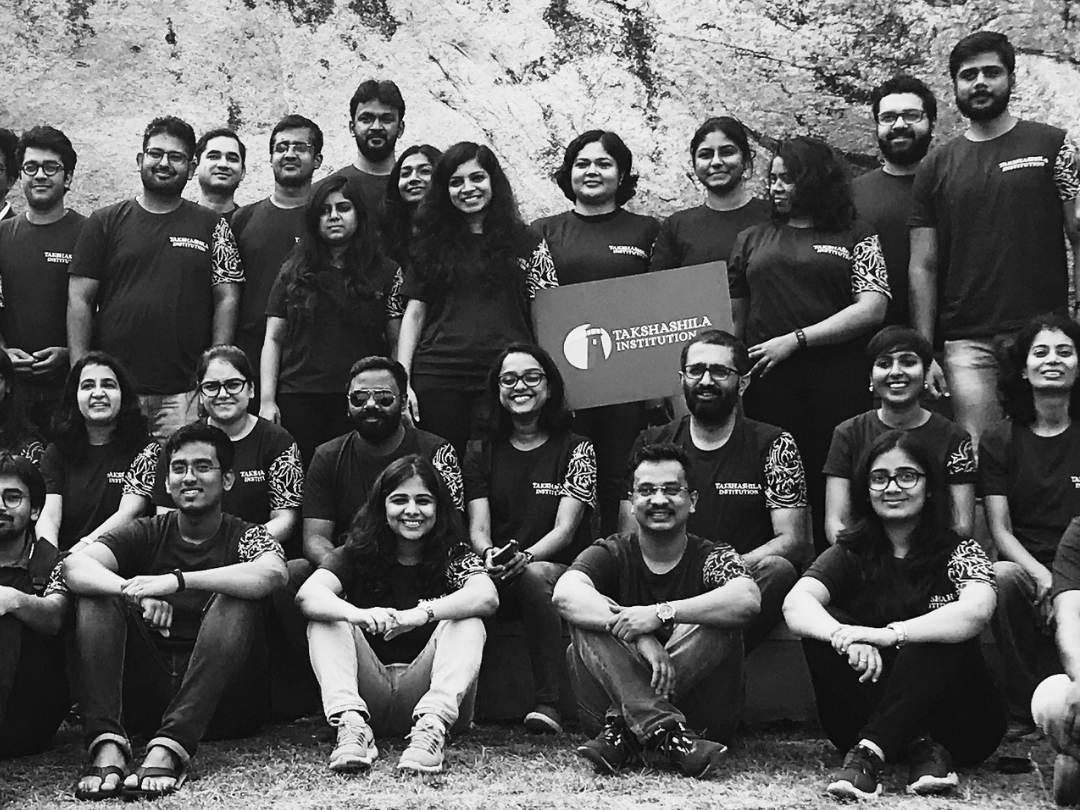
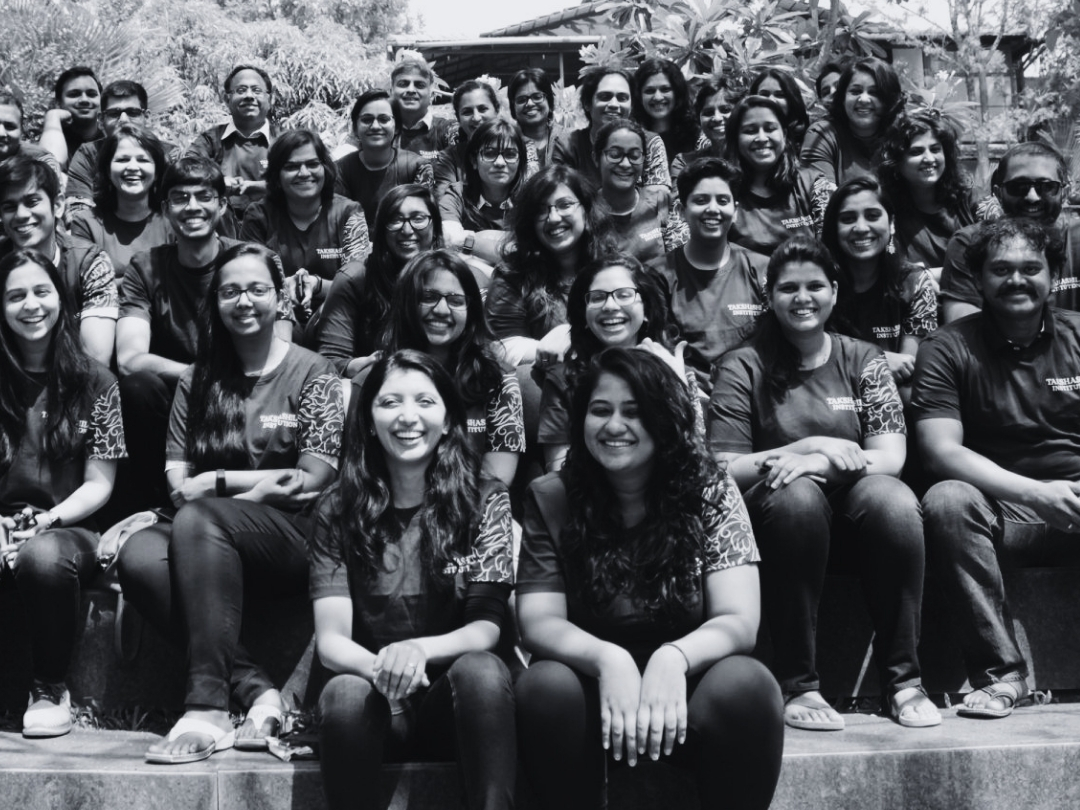
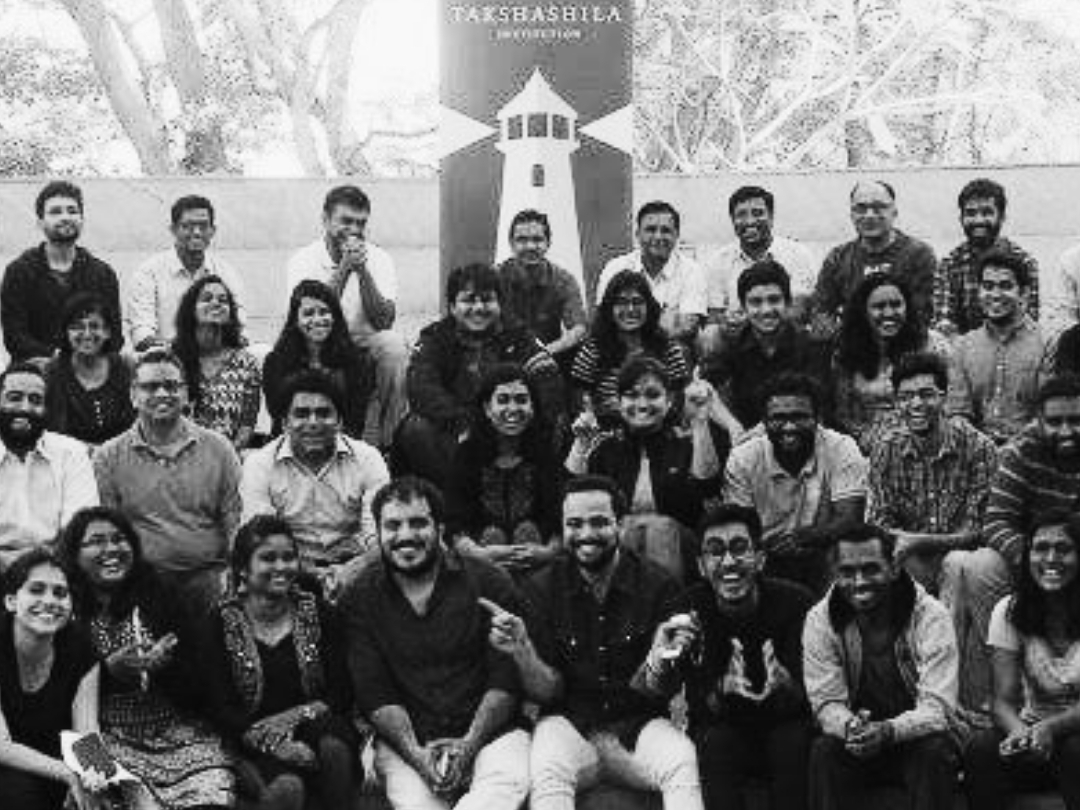
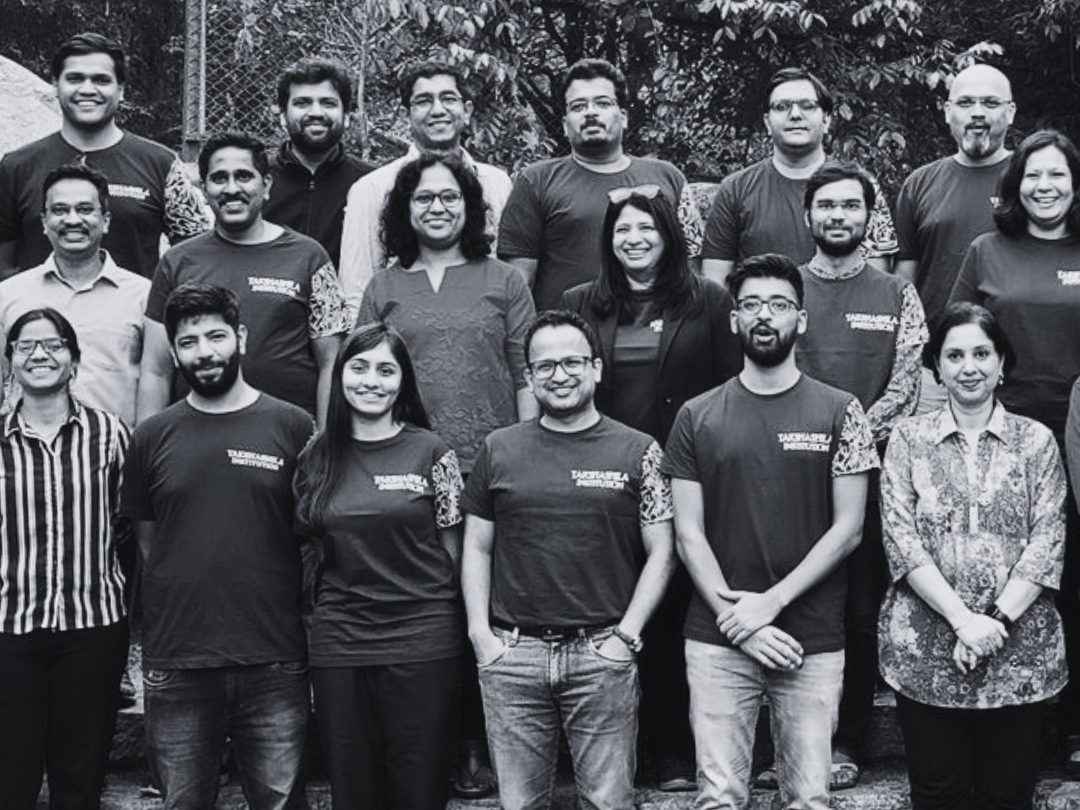
The PGP includes three in-person workshops spaced through the 48 weeks. Each is a three-day experience that blends theory with policy practice. Workshops rotate across Delhi, Goa, and Bangalore.
Travel and accommodation costs are not included in the programme fee. Workshops are mandatory; accommodations are discussed case-by-case in extenuating circumstances.
Application process
and fees
Eligibility
Undergraduate degree in any field. Minimum two years of work experience preferred but not strictly obligatory. Application is followed by an interview for shortlisted candidates.
Scholarships
10% early-bird scholarship; 20% alumni scholarship for GCPP graduates. Limited financial scholarships are available for talented individuals and in exceptional cases. Early applicants have a significant advantage in availing scholarships.
Corporate sponsorship
Many participants attend with their employer's support. Find out more here. Write to us at pgp@takshashila.org.in if your organisation needs specifics.
More questions?
Have specific questions about eligibility, scholarships, workshops, or the schedule? See the full FAQs.
Cohort 10 Calendar
48 weeks across three terms, with three in-person workshops spaced through the programme.
APPLY NOW →Faculty
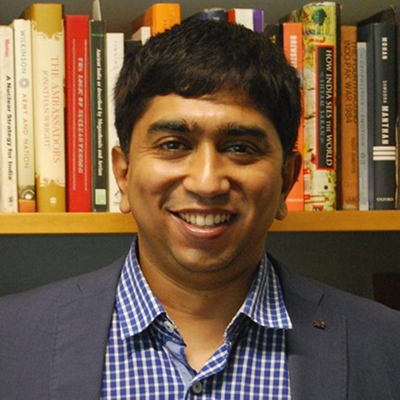
Aditya Ramanathan
Chairperson, Advanced Military Technology and Outer Space Programme

Ameya Naik
Associate Fellow with the Geo Strategy Programme
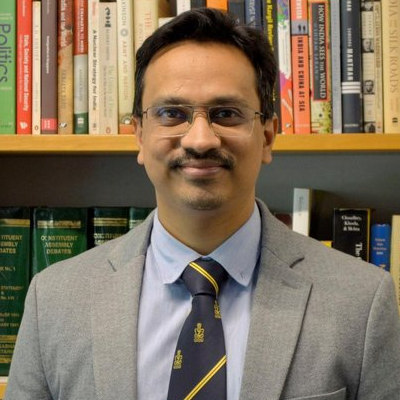
Anupam Manur
Professor at the Takshashila Institution
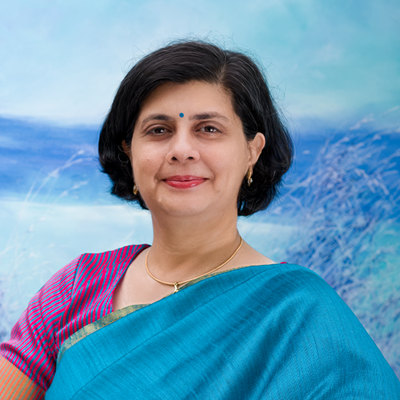
Hema Hattangady
Distinguished Fellow

Lokendra Sharma
Staff Research Analyst for the High-Tech Geopolitics Programme
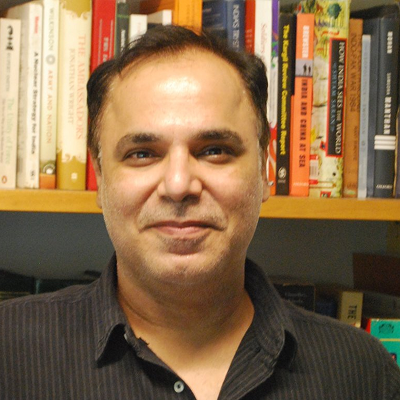
Manoj Kewalramani
Chairperson, Geostrategy Programme
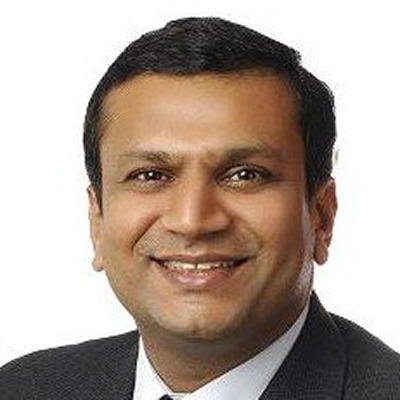
Narayan Ramachandran
Co-Founder
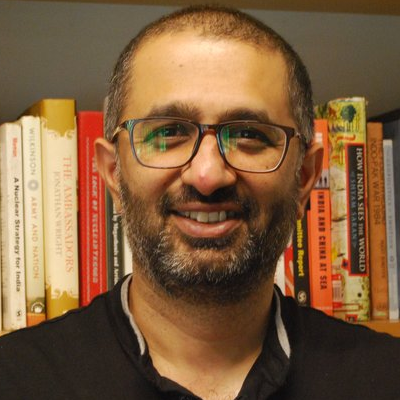
Nitin Pai
Co-Founder and Director
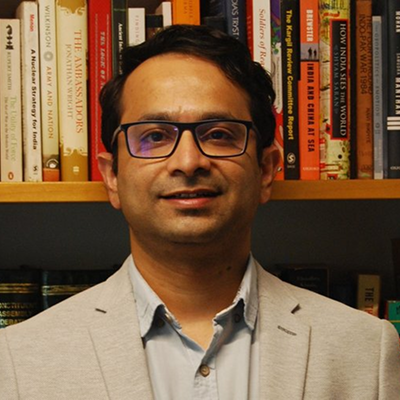
Pranay Kotasthane
Deputy Director and Chairs HTG Programme

Rajeswari Sengupta
Associate Professor at the Indira Gandhi Institute of Development Research (IGIDR), Mumbai
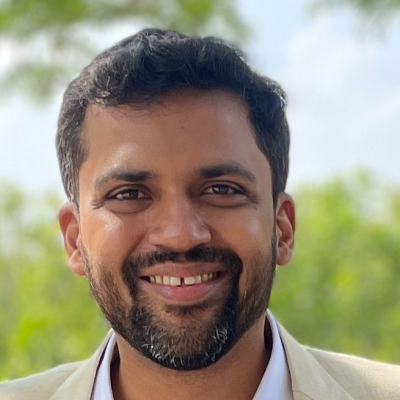
Sarthak Pradhan
Assistant Professor at the Takshashila Institution
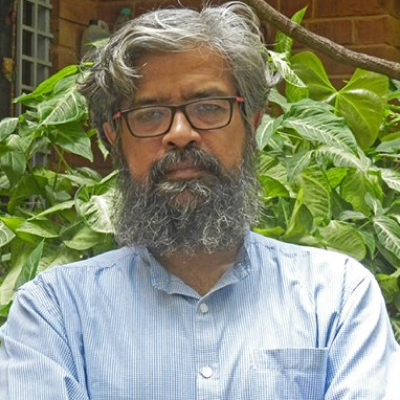
Vishwanath S
Civil Engineer and Urban Planner
Programme Highlights
Apply for Cohort 10
EARLY-BIRD 1 MAY · DEADLINE 15 JUN · STARTS 20 JUN 2026STILL HAVE QUESTIONS? READ THE FAQs