The American System: How the US Works
The American System: How the US Works
The United States is not a system that outsiders can read off the headlines alone. Tariff decisions arrive by executive order, alliance commitments are renegotiated in public, and courts, agencies and state governments now pull in visibly different directions. While India–US relations face new strains, sanctions, tariffs and export controls have become routine instruments of statecraft. The dollar’s centrality is being tested by alternative payment systems and digital currencies, and the 2026 midterm elections will decide how much room the executive has to act at home and abroad.
Beneath these developments sits an architecture that is often mistaken for dysfunction. Separation of powers, federalism, the party system and the Federal Reserve were built to slow decisions down and spread authority across contending institutions. Much of what looks like breakdown is that design under strain — sharpened by polarisation, expanding executive authority and legislative gridlock, but not replaced by them.
The American System: How the US Works — Decoding American Power, Politics and Society in the Trump Era is a six-week introductory programme designed to give participants a structured and accessible understanding of these dynamics. It is aimed at policy professionals, government officials, business leaders, lawyers, academics, students, and anyone seriously interested in American politics and power.
Delivered online through live webinars on Saturdays, the course combines academic concepts with practical perspectives across six modules and eleven sessions. It moves from the foundations of American power to the institutions that make domestic decisions, the machinery of foreign policy, the economic system that underwrites US influence abroad, and the societal fault lines that carry into the midterms.
The American System · Cohort 1
| FORMAT | 6 weeks · 11 sessions · online |
| CADENCE | Weekends · two 60–90 min sessions |
| EARLY BIRD DEADLINE | 31 Aug 2026 · ₹10,000 fee |
| APPLY BY | 18 September 2026 |
| FEE | ₹12,000 + 18% GST |
How it works
Six modules, eleven sessions
From the foundations of American power to the institutions that make domestic decisions, the machinery of foreign policy, the economic system, and the societal fault lines running into the midterms.
Live Weekend webinars
Two 60–90 minute sessions every Friday or Saturday, combining academic foundations with practical perspectives. Timings may vary for live-sessions headed by US based faculty.
Six weeks
A compact format from 19 September to 24 October 2026, designed for working professionals. Weeks one to five run two live sessions each; week six is the capstone. Recordings of all live sessions will be made available.
Capstone simulation
The final week is a role-based policy simulation on US after the midterms, testing the course frameworks against plausible futures.
Who it is for
The policy and strategic community, academia, students, and the business community. No prior background in American politics or economics is required.
Citation
A Citation from the Takshashila Institution on meeting the participation and capstone criteria.
Curriculum
Approaching the United States
We first set out how to read the United States through an Indian lens, then trace how American power took shape, so participants leave with a shared vantage and a working sense of how the country got here.
SESSIONS- 1.1What Does It Mean to Study America from an Indian Lens?
The session establishes what it means to study the United States from an Indian vantage, and sets the analytical posture for the course: judging US developments by their bearing on Indian interests rather than by American partisan lines. It separates analysis from media narrative and political spectacle, and names the traps that most often distort the reading — mirror-imaging, partisanship and personality-driven accounts. Why the US matters runs lightly in the background across defence, trade, technology and the Indo-Pacific, taken as given rather than argued at length.
Led by Brig. Anil Raman. - 1.2Evolution of American Power
What American power actually rests on — military, economic, technological, financial and cultural — and how the United States built and accumulated each of those elements over time. The session traces the turning points that shaped US power, carrying an India thread through non-alignment, 1971, the 1991 opening and the civil nuclear deal.
Led by Abhishek Kadiyala.
Institutions and Politics
The first of three systems weeks. How domestic decisions are actually made, and why apparent dysfunction is often deliberate design rather than failure.
SESSIONS- 2.1Architecture, Constitution, Branches and Federalism
How the US domestic political system is structured and how it produces decisions. The session maps the constitutional design and the separation of powers, the roles of the Presidency, Congress and the Judiciary and how they interact, and then federalism, the electoral system and the levels at which governance and politics actually operate — closing on parties, interest groups and the iron triangle.
Led by Abhishek Kadiyala. - 2.2Rationale and Politics in Institutions
The design logic behind the institutional system and how it functions today. Checks and balances were built to slow decisions down and spread authority, and much of what reads as breakdown is that design under strain. The session works through why apparent dysfunction is often deliberate and load-bearing rather than accidental, and where the system is genuinely straining — polarisation, expanding executive authority and legislative gridlock.
Led by a visiting faculty.
Foreign Policy
The second systems week. Who actually makes US foreign policy, what US power buys abroad, and the logic and conflicts behind its choices, with the relationships that sit in India's field of view.
SESSIONS- 3.1The Foreign Policy Machine and the Decision Making
How US foreign policy is formulated and what US power rests on abroad. The session maps the apparatus — the President, the National Security Council, the State Department, the Defense Department, the intelligence community and Congress — and the sources of power behind it: military, economic, technological, alliances and the dollar. It closes on the key doctrines and on how domestic politics constrains and shapes external choices.
Led by Brig. Anil Raman. - 3.2Key Relationships and the Rationale
US relationships with the states that matter most and the strategic logic behind them — China, Russia, Europe and NATO, Israel and the Western Hemisphere — with a sustained focus on the trajectory of India–US relations across defence, technology and the Indo-Pacific. The session weighs the internal conflicts and trade-offs that shape current posture.
Led by a visiting faculty.
Economics
The third systems week. How the United States makes economic decisions at home and abroad, and the logic behind a system that underwrites US global power.
SESSIONS- 4.1The Domestic Economy, Institutions and Contests
How US domestic economic decisions are made and what is politically at stake in them. The session maps the institutions — the Federal Reserve, the Treasury and the fiscal role of Congress — and the major domestic challenges of inequality, inflation, deindustrialisation, digital currencies and globalisation. It connects economic conditions to political outcomes, and reads the social basis of the American economy: ease of doing business, capitalism, deregulation and federalism.
Led by External faculty. - 4.2The International Economic Architecture, the Dollar and US Power
How the United States wields economic power abroad, and the logic of the system that carries it. The dollar system, Bretton Woods, the petro-dollar and the Plaza Accords; trade, tariffs, sanctions and industrial policy as routine instruments of statecraft; the rise of China as an economic competitor; and the challenge to dollar centrality from alternative currencies, crypto and new payment platforms — throughout, with an eye on what this implies for India.
Led by Takshashila faculty.
Society, Culture and the Road to the Midterms
The payoff week. Having mapped the systems and their rationale, we turn to what they produce — the societal and cultural conflicts that define American politics, and how these carry into the 2026 midterms.
SESSIONS- 5.1The Fault Lines: Society, Culture and the American Creed
The societal and cultural conflicts that the US political system produces and channels. The session works through the American political creed of liberty, individualism and limited government; race, identity and immigration; religion, guns, abortion and the culture wars; and inequality, media fragmentation and polarisation.
Led by Brig. Anil Raman. - 5.2Into the Midterms: Reading the 2026 Elections
The course frameworks applied to the 2026 midterms. Battleground seats and the balance of local against national issues, party factions and campaign strategies, polling and forecasting, congressional outcomes and their policy stakes, and the electoral influence of lobbying, PACs and pressure groups. The session closes on what different outcomes would actually mean.
Led by Abhishek Kadiyala.
Capstone: US After the Midterms
A role-based policy simulation that closes the course.
SESSION- 6.1US After the Midterms
A role-based policy simulation that synthesises the course. Participants build plausible scenarios for the American political future, test each against the frameworks developed over the previous five weeks on institutions, foreign policy and economics, and read what each scenario would mean for India — then present and discuss their scenarios.
Led by Brig. Anil Raman and Abhishek Kadiyala, with a visiting faculty.
Application process
and fees
Eligibility
Open to the policy and strategic community, academia, students, and the business community — policy professionals, government officials, business leaders, lawyers, academics, and anyone seriously interested in American politics and power. No prior background in US politics or economics is required.
Application
The Academic Committee will review the application form. Please take time to reflect on why you want to take this course and how you plan to apply the learning. The Committee gives significant weight to this response. Applications close on 18 September 2026.
Scholarships
Apply before the early bird deadline of 31 August 2026 to pay a concessional fee of ₹10,000 + GST.
Questions
Have questions about eligibility, schedule, or fees? Write to us at usstudies@takshashila.org.in
Cohort 1 Calendar
Six weeks of Saturday webinars, closing with a role-based policy simulation. Apply by 18 September.
APPLY NOW →Faculty

Dr. Jean A. Garrison
Clyde E. and Jerrine N. Professor of Public Service, University of Wyoming

Richard M. Rossow
Senior Adviser and Chair on India and Emerging Asia Economics, Center for Strategic and International Studies

Soren Dayton
Director of the American Governance Policy team, Foundation for American Innovation
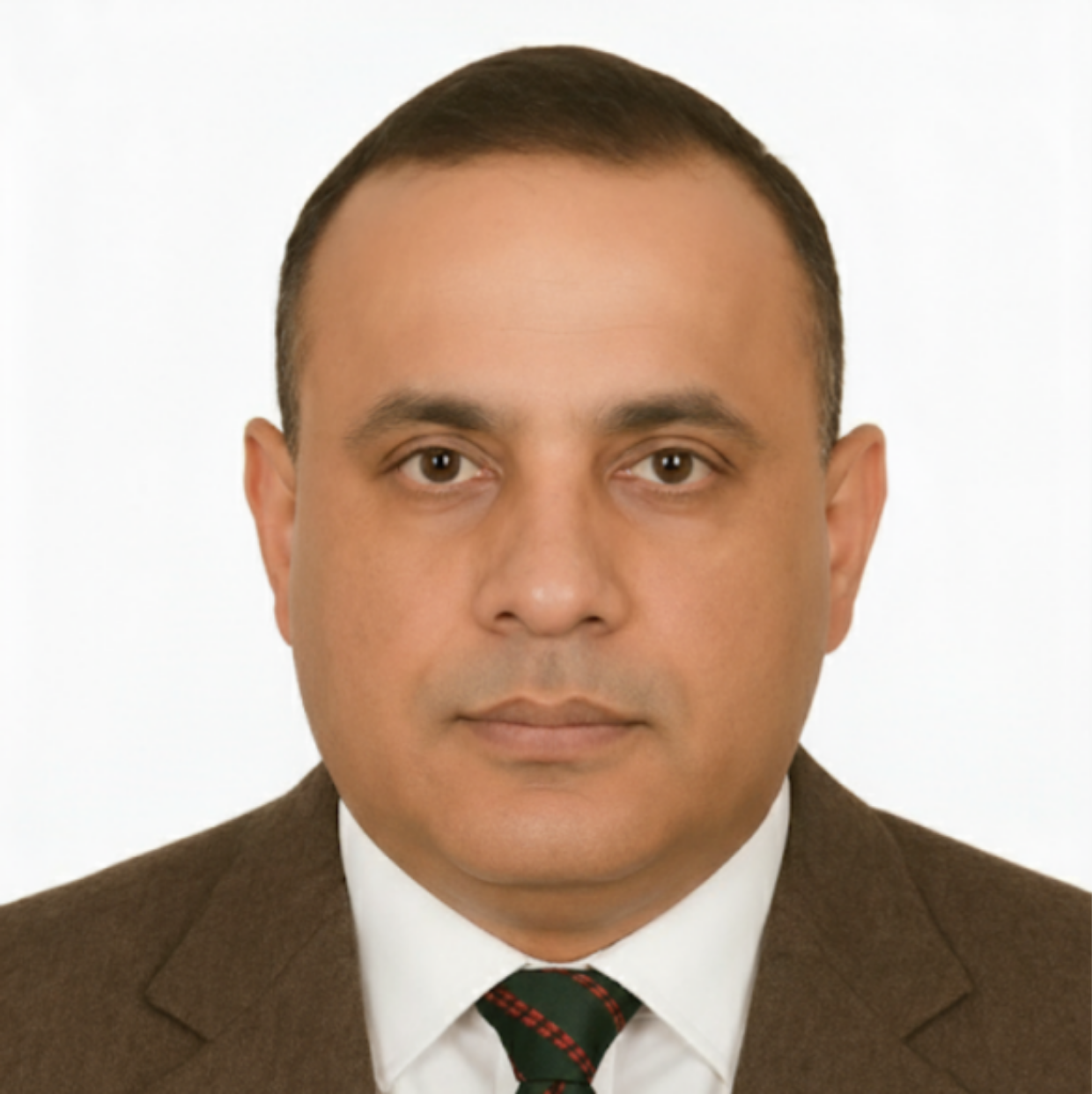
Brigadier Anil Raman
Research Fellow for the Geostrategy Programme

Anisree Suresh
Research Associate in Geoeconomics
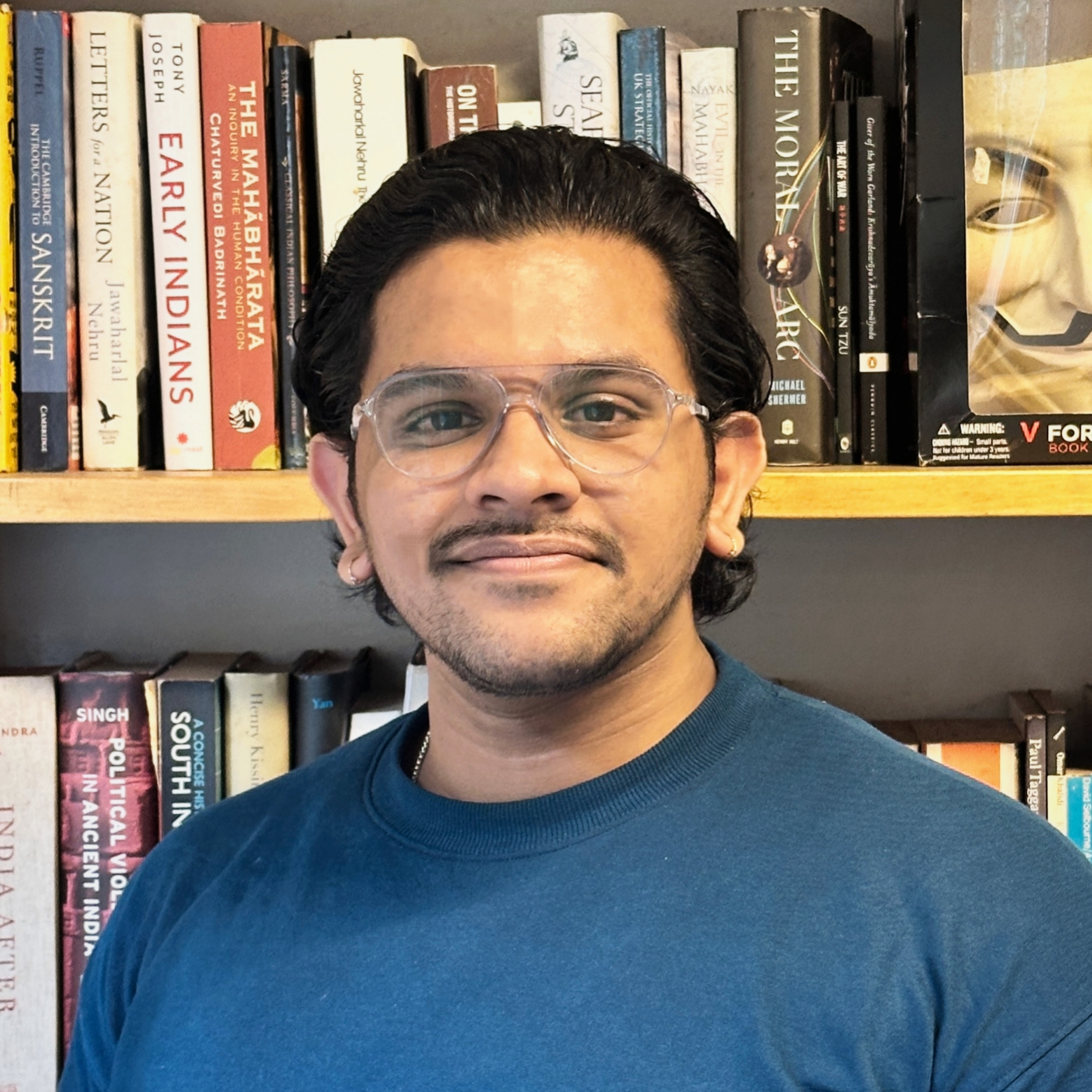
Abhishek Kadiyala
Research Analyst for the Geostrategy Programme