Space Power Course
Space Power Course
Space is no longer the preserve of a handful of state agencies. It is now a contested strategic domain, a fast-growing commercial sector, and an arena of governance that India can no longer afford to engage with only on the margins. Megaconstellations are reshaping access to low Earth orbit, navigational satellite systems have become instruments of geopolitical competition, and military space strategies — from anti-satellite tests to space domain awareness — are now central to how nations think about deterrence and warfighting.
For India, the past few years have brought a wave of space reforms, a rapidly growing private space industry, and renewed attention to the country’s military space posture. At the same time, the legal and governance architecture for outer space — anchored in the Outer Space Treaty and a patchwork of national laws — is straining under the weight of new technologies and new actors.
The Space Power Course: Advancing India’s Interests in the Orbits and Beyond is a four-week introductory programme designed to give participants a structured and accessible understanding of these emerging issues. It is aimed at government officials, members of the armed forces, space entrepreneurs, lawyers, academics, policy professionals, and anyone seriously interested in the politics and policy of outer space.
Delivered online through live webinars on Saturdays, with optional mid-week Wednesday evening practitioner sessions, the course combines academic foundations with practitioner perspectives across eight core modules and four Practitioner Series sessions.
Space Power Course · Cohort 4
| FORMAT | 4 weeks · online |
| CADENCE | Saturdays · optional Wed evening sessions · ~5 hrs/week |
| EARLY BIRD DEADLINE | 31 Jul 2026 · ₹10,000 fee |
| APPLY BY | 3 September 2026 |
| FEE | ₹12,000 + 18% GST |
| PARTNER | Indian Space Association (ISpA) |
How it works
Eight modules
Covering space power, India's reforms, the Outer Space Treaty, megaconstellations, space law, and the military space strategies of India and China.
Live Saturday webinars
Two 90-minute sessions every Saturday with academic faculty and practitioners.
Four weeks
A compact format from 5 September to 10 October 2026, designed for working professionals.
Practitioner series
Four optional Wednesday evening sessions with practitioners on building India's space industry, space situational awareness, and satellite navigation.
~5 hours per week
Including live sessions, readings, and preparation. No prior technical background required.
Citation
Citation of Participation from the Takshashila Institution for attending the course.
Curriculum
Introduction & India's Reforms
SESSIONS- SP.01Introduction to Space Power
A historical and conceptual grounding for the course. We trace the origins of spacefaring — from the early rocket pioneers to the Cold War space race — and the politics that shaped the early space age, including a first glance at the Outer Space Treaty (examined in greater depth in SP5). The session closes with a broad overview of what "space power" means and why it has become a domain of strategic, commercial, and governance significance.
Led by Aditya Ramanathan, Chairperson, Advanced Military Technology & Outer Space Programme. - SP.02Space Reforms in India
A look at where India's space sector stood before the reforms, what about that era — at home and abroad — made change necessary, what was actually done, and where the agenda still falls short. The session gives participants a conceptual grounding in the domestic policy that regulates and promotes the sector today.
Led by Ashwin Prasad Rao, Staff Research Analyst, Advanced Military Technology & Outer Space Programme.
Practitioner Series · Building India's Space Industry
SESSION- PS.01Building India's Space Industry
What does it actually take to grow a thriving private space industry? In this practitioner session, we unpack the building blocks — why government procurement matters and how it has powered space ecosystems elsewhere, where India's own approach stands today, and what is working against what still needs to shift. Along the way, the session surveys the range of companies carving out niches across the country's space economy.
Led by Narayan Prasad, Chief Operating Officer, SatSearch.
IN-SPACe & Megaconstellations
SESSIONS- SP.03IN-SPACe Private Sector Engagement
A session on how IN-SPACe engages with India's young private space industry. It looks at the mechanics of that relationship — how technology is being transferred and how firms are supported in line with the Space Policy — and offers a candid read on where this is working well and where the challenges and shortcomings lie.
Led by Maneesh K, Assistant Director, IN-SPACe. - SP.04The Era of Megaconstellations
Low Earth orbit is getting crowded. In just a few years, fleets of thousands of satellites — Starlink chief among them — have transformed the sky overhead, propelled by a potent mix of economic, political, and strategic ambition. This session asks what is driving the megaconstellation boom, and weighs the opportunities it unlocks against the risks and complications it leaves in its wake, some obvious, others only now coming into view.
Led by Ashwin Prasad Rao, Staff Research Analyst, Advanced Military Technology & Outer Space Programme.
Practitioner Series · Legal Frameworks for SSA
SESSION- PS.02Legal Frameworks for Space Situational Awareness
As space situational awareness (SSA) and space domain awareness (SDA) operations grow more complex, the rules meant to govern them are scrambling to keep up. This practitioner session explores how international and national space law is adapting — and where it is falling behind — as tracking, monitoring, and managing activity in orbit becomes ever harder.
Led by Geetanjali Kamat, Manager, Legal & Policy, Digantara.
Space Law & Power Politics
SESSIONS- SP.05Nuances of the Outer Space Treaty
A closer look at the 1967 Outer Space Treaty — the foundational instrument of international space law — and the finer points that shape how it is read and applied today. The session unpacks the treaty's core principles, the ambiguities that have grown more pressing with time, and the questions they raise for space activity in the present era.
Led by Sandeepa Bhat, Professor of Law and Director, Centre for Aviation and Space Laws, NUJS. - SP.06Space Law and Power Politics
Law is rarely neutral in international affairs, and space is no exception. This session looks at how legal frameworks intersect with geopolitics — how states invoke, shape, and contest space law in pursuit of strategic ends — and what this interplay of law and power means for the governance of outer space.
Led by Ashok G.V., Partner, Factum Law.
Practitioner Series · Strategies for SSA
SESSION- PS.03Strategies for Space Situation Awareness
A practitioner session examining the strategic choices and approaches that underpin a credible SSA effort, and the trade-offs they involve.
Led by Pranav Satyanath, Independent Research Scholar.
Industry Interactions
SESSION- TBAIndustry Interactions
Placeholder — details to be announced.
Practitioner Series · Global Navigation Satellite Systems
SESSION- PS.04Global Navigation Satellite Systems
A practitioner session on the geopolitics of satellite navigation. It covers how these systems work, why nations place such a premium on sovereign capability and whether that emphasis is warranted, and the military utility that makes them strategically indispensable. The session closes with a candid look at the troubles facing India's NavIC and where the country should go from here.
Led by Hitesh Gala, Defence Fellow, The Takshashila Institution.
Military Space Strategies
SESSIONS- SP.07India's Military Space Strategy
A broad look at how India treats space as a military domain — the strategic thinking, institutions, and capabilities that shape its approach.
Led by Aditya Ramanathan, Chairperson, Advanced Military Technology & Outer Space Programme. - SP.08China's Space Strategy
A broad look at China's approach to space — the ambitions, organisation, and capabilities behind its programme, and what they signify for the wider strategic landscape.
Led by S. Chandrashekar, formerly of ISRO and NIAS.
Application process
and fees
Eligibility
Open to Indian nationals with an undergraduate degree in any discipline. A Statement of Purpose is required as part of the application. No prior knowledge of space, science, or law is necessary.
Application
The Academic Committee will review the application form. Please take time to reflect on why you want to take this course and how you plan to apply the learning. The Committee gives significant weight to this response. Applications close on 3 September 2026.
Scholarships
Apply before the early bird deadline of 31 July 2026 to pay a concessional fee of ₹10,000 + GST. The same concessional fee is available to university students, Takshashila alumni, and serving members of the Indian armed forces. Proof of eligibility must be submitted with the application.
Questions
Have questions about eligibility, schedule, or fees? Write to us at capsulecourses@takshashila.org.in
Cohort 4 Calendar
Four weeks of Saturday webinars plus optional Wednesday evening practitioner sessions. Apply by 3 September.
APPLY NOW →Faculty
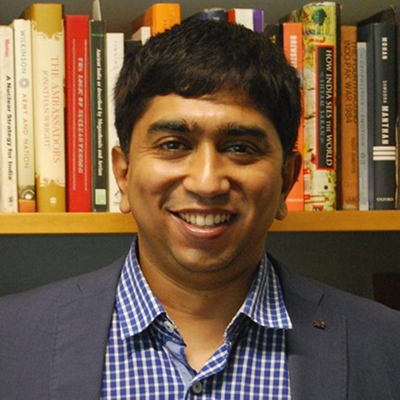
Aditya Ramanathan
Chairperson, Advanced Military Technology and Outer Space Programme
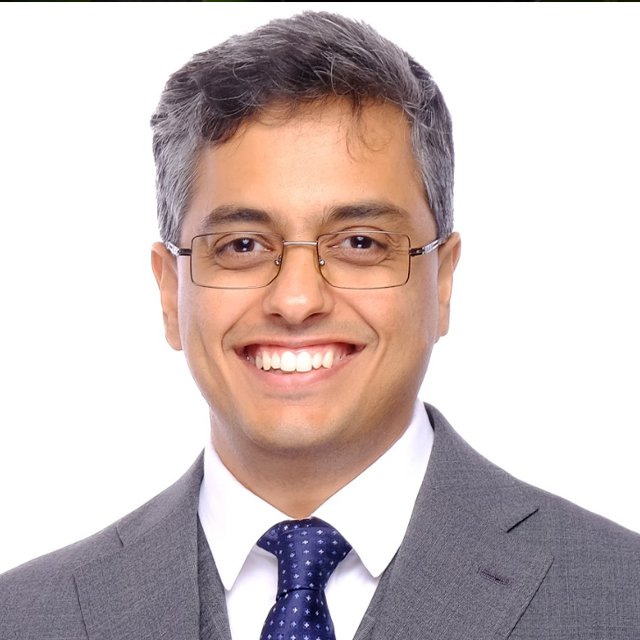
Ashok G.V.
Partner, Factum Law

Ashwin Prasad Rao
Staff Research Analyst for the Advanced Military Technology and Outer Space Programme

Geetanjali Kamat
Manager, Legal & Policy, Digantara

Hitesh Gala
Defence Fellow, The Takshashila Institution
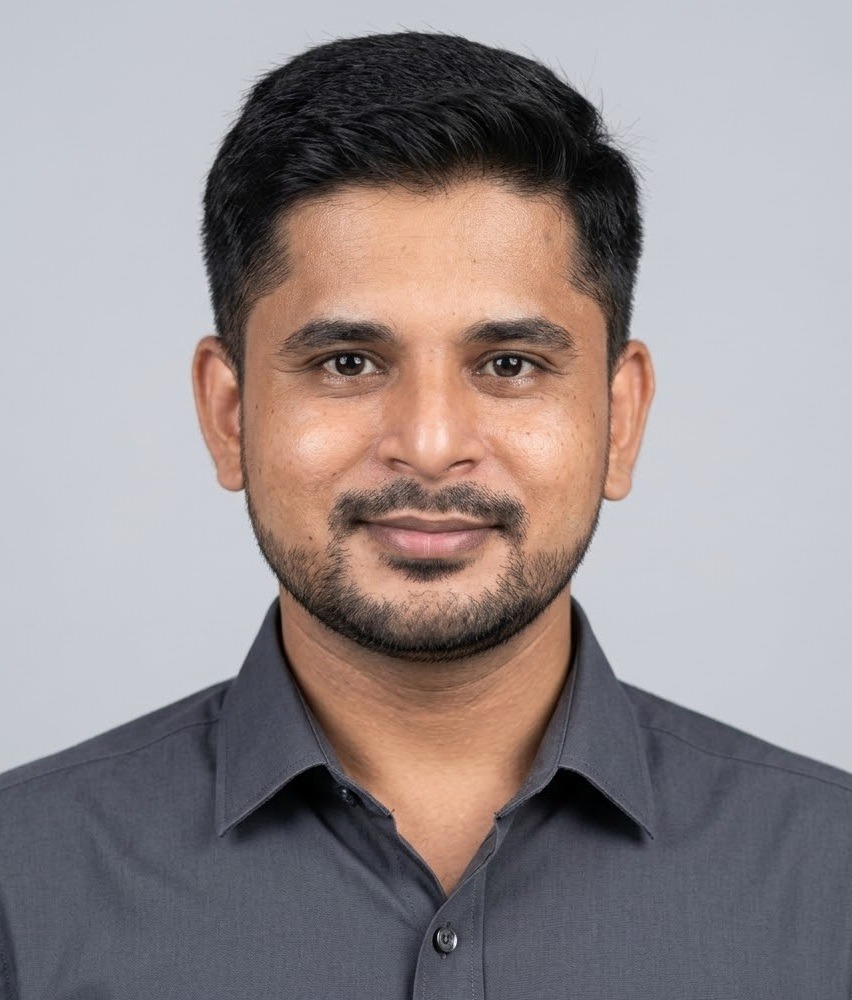
Maneesh K
Assistant Director, IN-SPACe

Narayan Prasad
Chief Operations Officer, Satsearch

Pranav Satyanath
Independent Research Scholar
S. Chandrashekar
Formerly of NIAS and ISRO
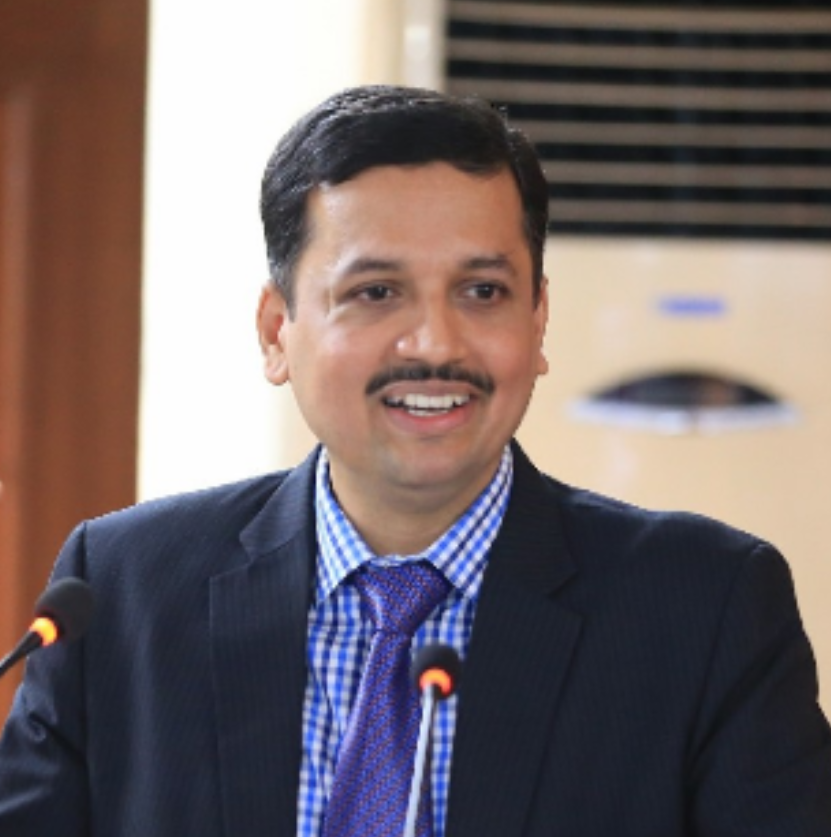
Sandeepa Bhat
Professor of Law and Director, Centre for Aviation and Space Laws, NUJS