Second NAS-LEP Hackathon on Scam, Spam and Synthetic Manipulation
| DATE | August 9, 2026 |
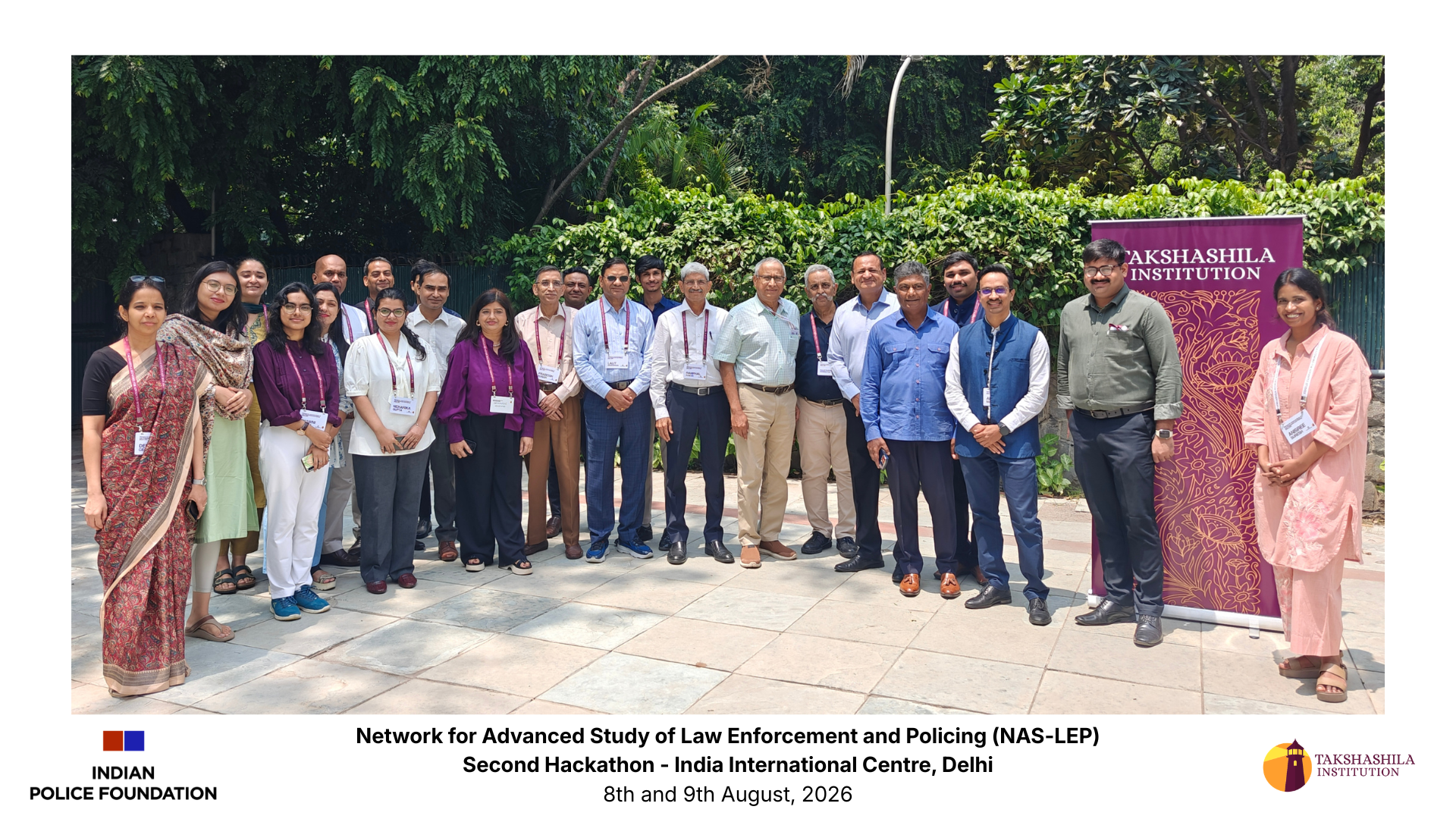
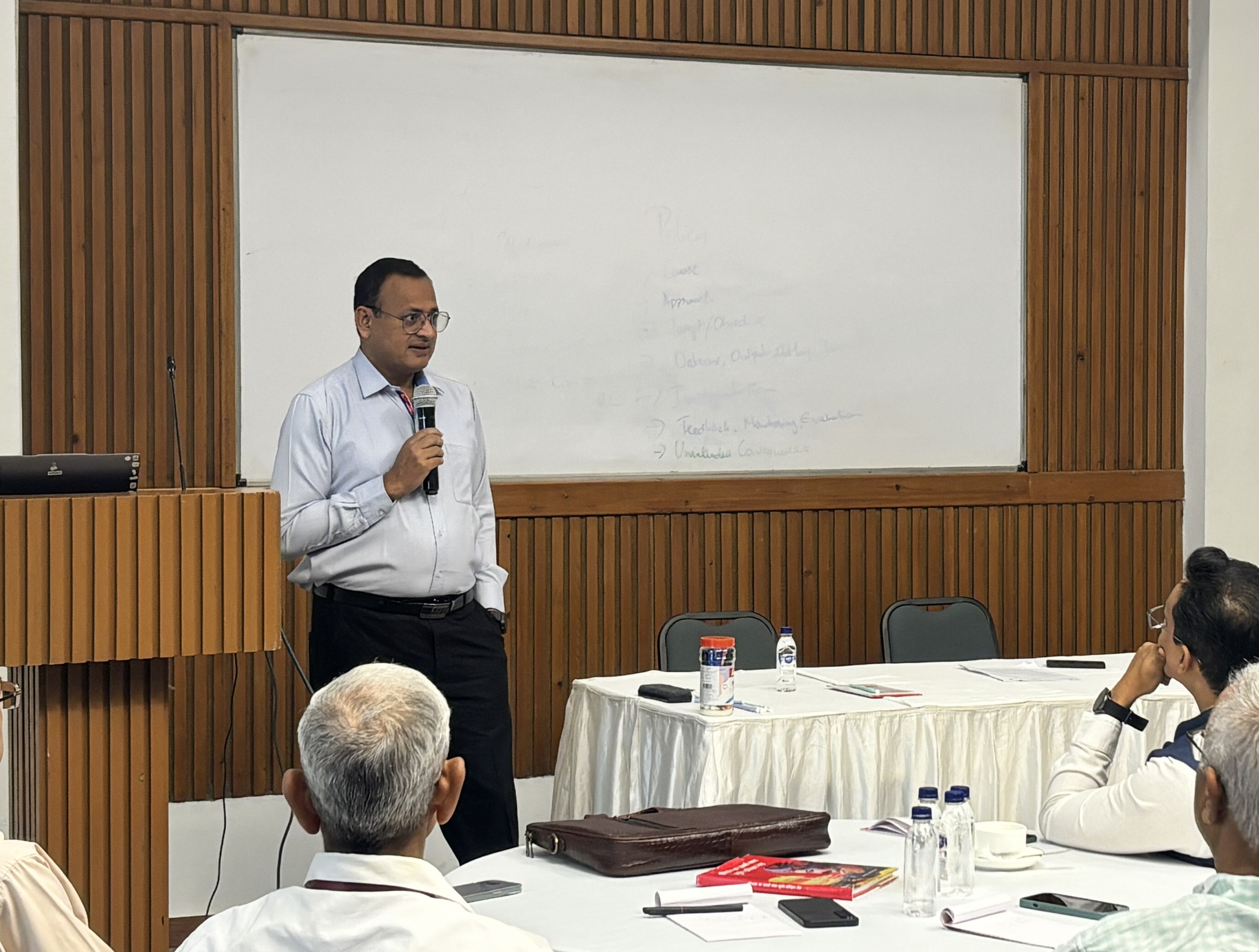
The second hackathon organised by the Takshashila Institution and the Indian Police Foundation, as part of the Network for Advanced Study of Law Enforcement and Policing (NAS-LEP), was held on the 8th and 9th of August at the India International Centre, Delhi. The event brought together participants to address a pressing policy dilemma: how to effectively mitigate scams, spam, and coordinated digital harms without resorting to interventions that are overbroad, speech-restrictive, or rights-eroding. Mr Rajneesh Gupta, Joint Commissioner of Police, IFSO, Special Cell, Delhi Police, delivered a keynote address highlighting the pressing challenges for police in the digital landscape. To systematically address these complex issues, the hackathon utilised Eugene Bardach’s Eightfold Path for policy analysis. Participants were divided into three groups, each tasked with analysing a specific scenario and exploring policy, regulatory, and law-enforcement responses.
The Political Disinformation group (Group 1) focused on the rapid spread of artificially generated media during sensitive political moments. A major challenge identified is the one- to six-hour seeding window in encrypted closed groups, which occurs before institutional verification can act. To counter this, the group proposed PRAMAAN (Platform-led Response Architecture for Media Authentication & Accountability Network), a framework establishing audited co-regulation targets for platforms. This involves mandatory watermarking at creation, platform traceability to stop amplification, and expanding independent fact-check networks to build public resilience. 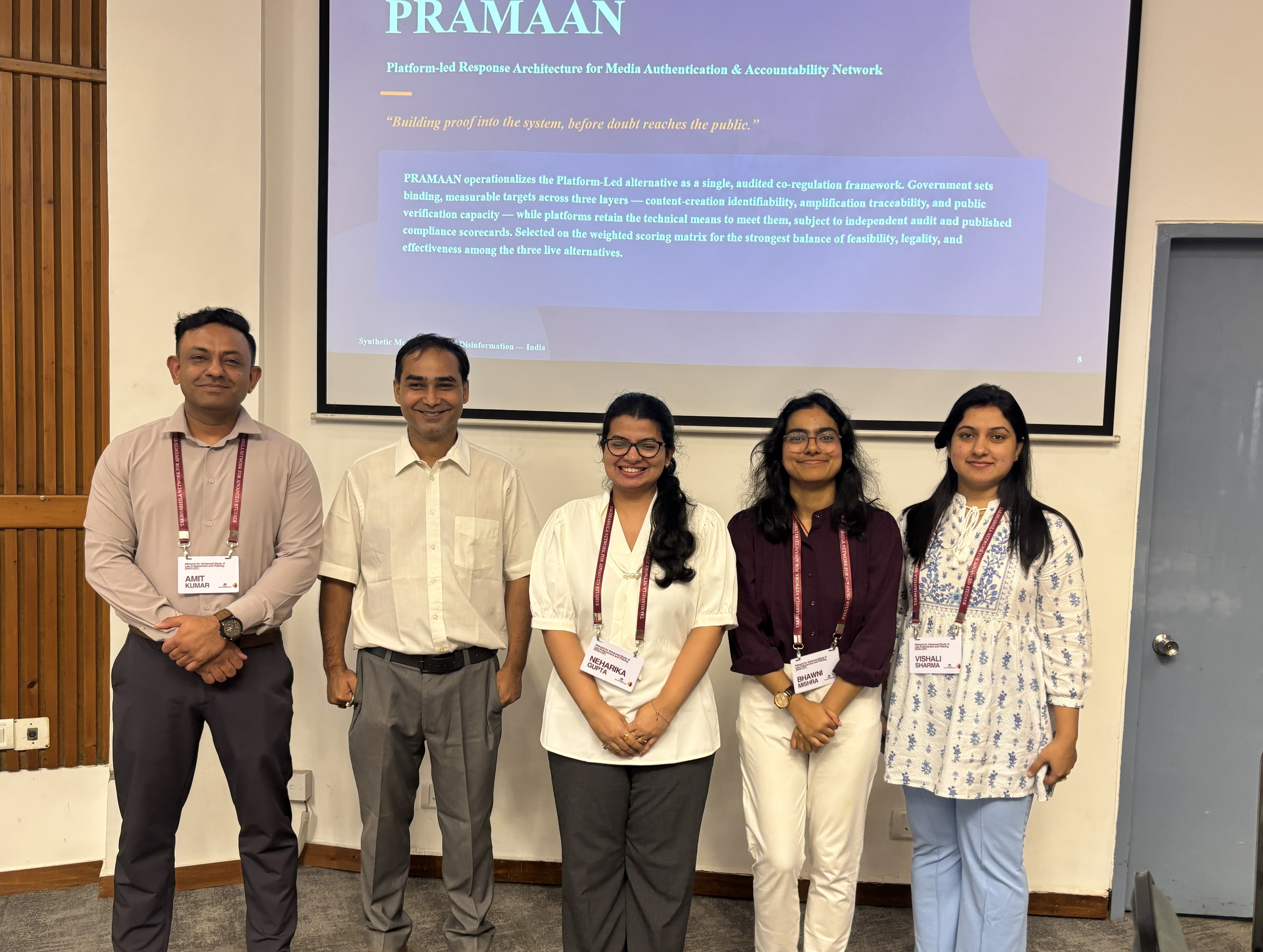
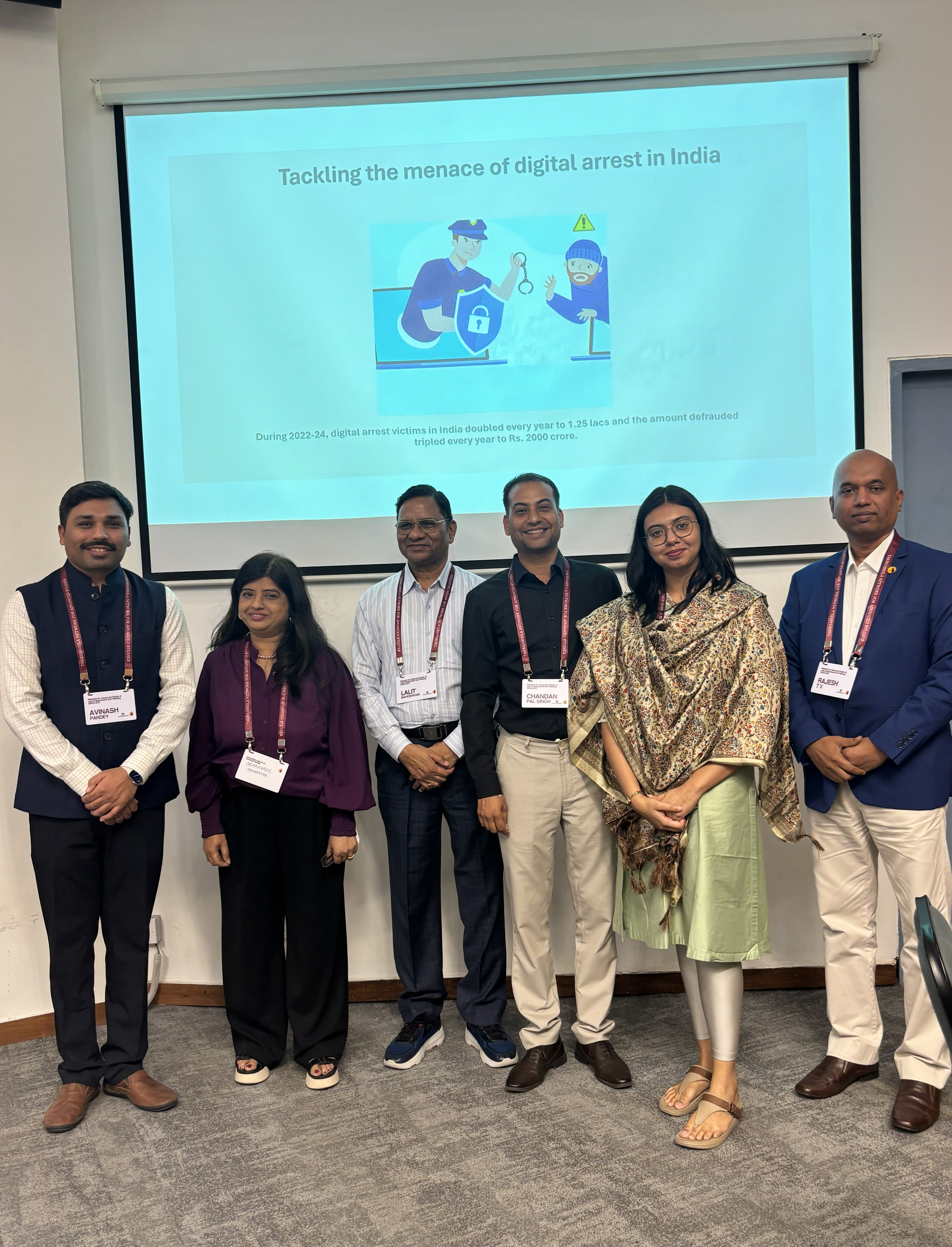
The group on Digital Arrest and Deepfakes for Financial Scams (Group 2) examined the growing menace of synthetic media being used for financial fraud. The group designed a solution named SURAKSHA (Suspicious Unusual Risk Analytics for KYC-based Screening & High-risk Accounts). This proposes deploying a “Sanrakshak AI-agent” to instantly freeze high-risk mule accounts.
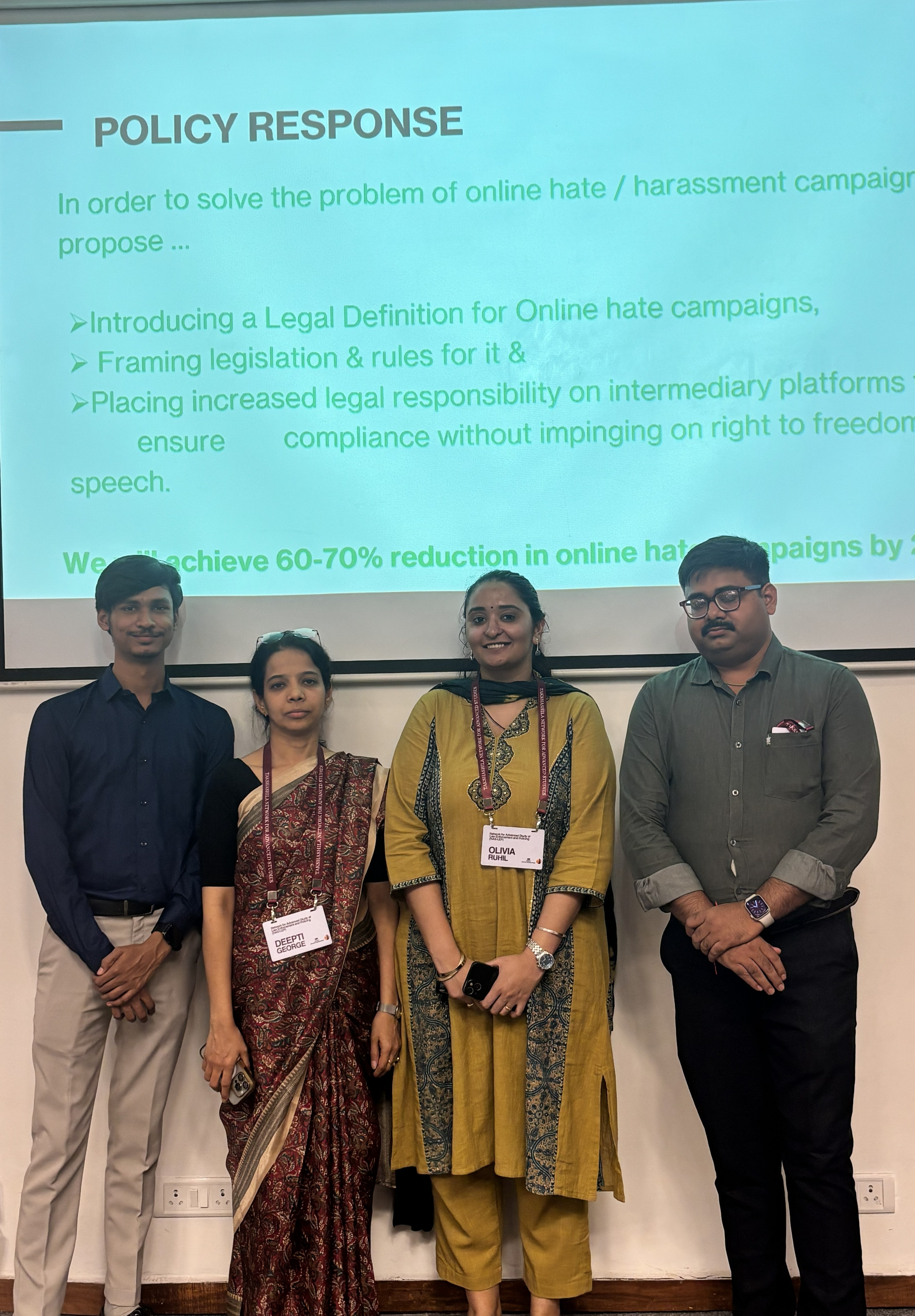
The Targeted Hate Campaigns track (Group 3) tackled automated spam networks and coordinated harassment campaigns targeting specific communities. The group evaluated several alternatives and recommended a strategy focused on introducing a legal definition of online hate campaigns and on framing specific legislation and rules. This discussion offers further insights into the operational realities and pressing challenges that law enforcement agencies face when tracking organised cyber fraud networks.