A Love Letter at First Sight: Guwahati and the Brahmaputra
| AUTHOR | Dr Y Nithiyanandam |
| DATE | February 12, 2026 |
| CATEGORIES | Geospatial Research Brahmaputra |
Some cities take time to understand. Guwahati does not.
The first time you see it, even from the flight, you notice the Brahmaputra. The river looks wide and powerful. You can see many streams, sandbars, and small villages close to the water. From above, it is clear that the city and the river belong together. Guwahati feels like it is shaped by the river, not just placed beside it.
That first view stays in the mind. It feels like a welcome.
Not just a river, but a long journey
The Brahmaputra is not a normal river. It carries a long story.
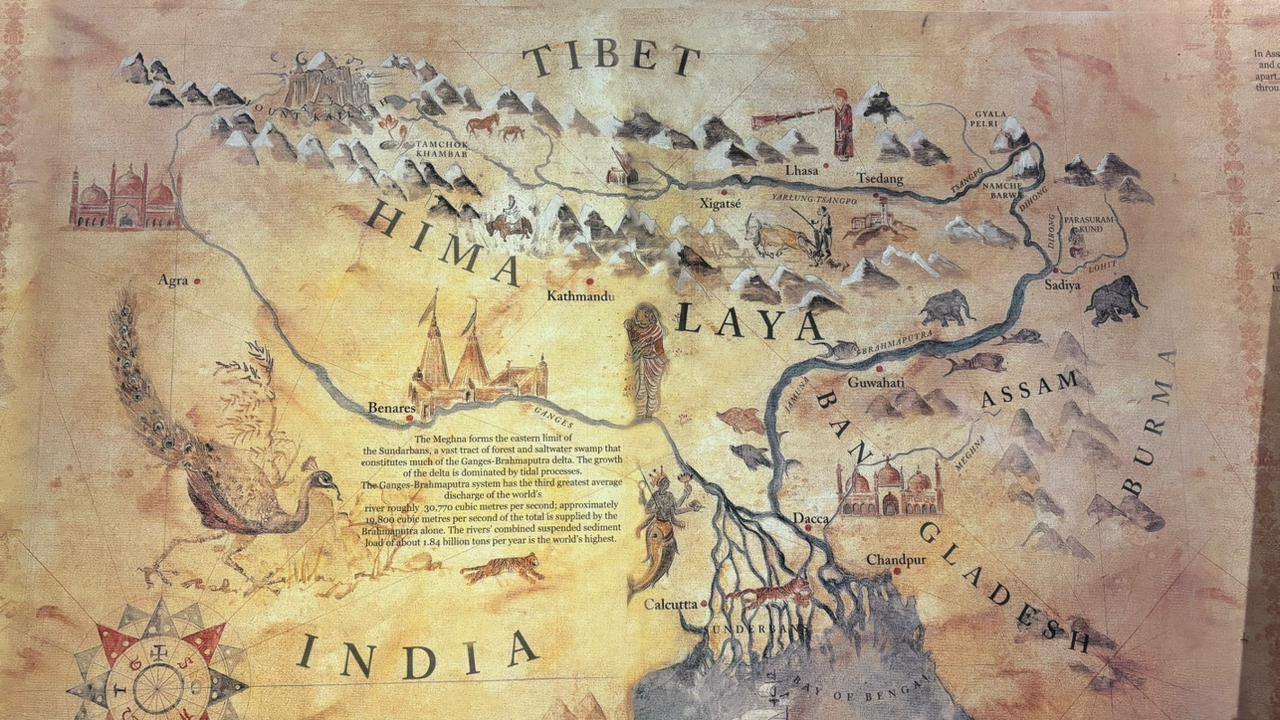
It begins far away in Tibet, from the Angsi Glacier. It travels a very long distance before it enters India. It passes through different weather and different landscapes. In the high mountains, the river moves through steep land where the drop in height is dramatic. The water there is fast, deep, and strong.
When the river enters India and reaches the plains, it becomes calmer. It spreads out and grows wider in Assam. It also brings soil and silt from upstream. Over time, this helps the floodplains stay fertile. This is one reason why the river matters so much to Assam and to the wider northeast.
A sunset by the river and a place that keeps memories
After landing, the first place to visit is the Brahmaputra Heritage Centre.
It is a must visit place in Guwahati. The sunset view is beautiful, and it is a lovely place to take photographs. But it is also more than a viewing point.
Inside, you can see old photographs, paintings, and maps. They show how the river is linked to culture and history, from Tibet to different parts of India. You also learn about the people living near the river, their work, and their daily life. It reminds you that this river connects many places and carries many stories.
Life on the river today
The Brahmaputra is not only about the past. You can also see modern life moving with it.
Ferries run across the river. Seeing them makes you understand how big the river is, and how important it is for local travel.
You can also see sand mining along the river. At first, it is easy to think it is illegal or harmful. Later, I learnt it is often done by local people as a regular practice. They do it each year to reduce silting and to clear parts of the riverbed. The sand may not always be used for major construction, but it can be used for land filling and other needs.
Still, it makes you think.
A worry that stays in the mind
A question remains. Will the river keep bringing fertile soil in the future, like it has done for so many years
Many large dam projects are planned or built upstream, both in China and in India. These dams can reduce the natural movement of silt and soil. If that happens, the floodplains downstream may change. The river’s natural flow and seasonal pattern may also change.
This is not only about soil. It is also about plants, animals, and habitats. Many living things depend on the river staying the way it is. People too depend on it, in many ways.
A small travel story, because journeys are never only serious
Travel diaries also carry small moments.
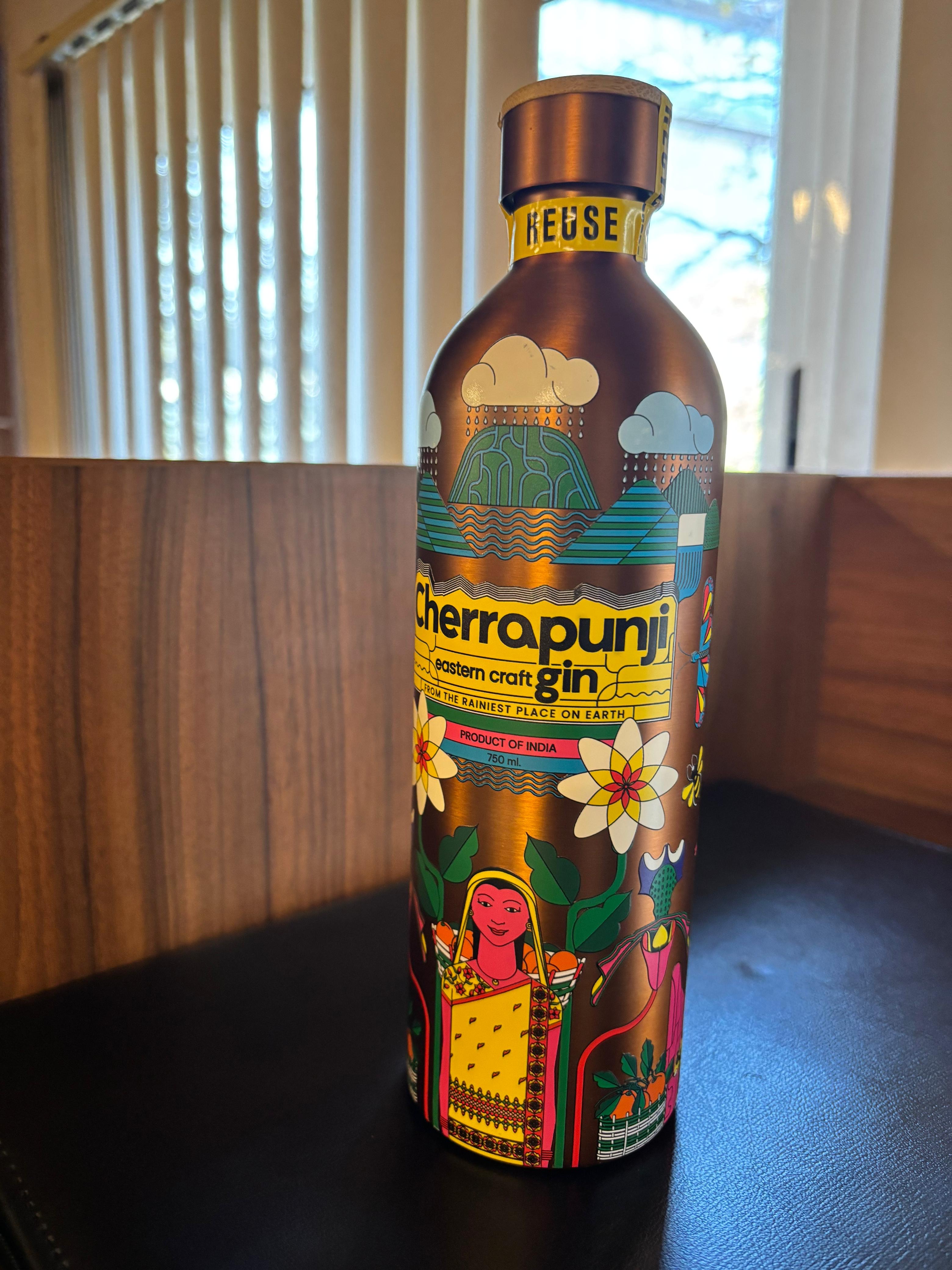
I also spent time looking for something linked to Cherrapunji, known for its heavy rain. I was trying to find an alcoholic product named after it. I am not sure about the taste, but the packaging looked impressive. It was not easy to find in the city.
For future travellers, there is a simple tip. You can find it easily at the airport departures area.
Guwahati means Brahmaputra
In the end, Guwahati and the Brahmaputra feel inseparable.
The city’s beauty, mood, and spirit seem tied to the river. The more you learn about the Brahmaputra, the more you want to learn. It is vast, it is living, and it is full of stories.
This visit felt like a beginning. Next time, the writing will return to another side of the river.
For now, Guwahati will always mean the Brahmaputra, at first sight and always.