India’s Pragmatic Turn in Taliban-Era Afghanistan
| AUTHOR | Aishwaria Sonavane |
| DATE | January 12, 2026 |
| CATEGORIES | Afghanistan India Diplomatic Relations Indo-Pacific Geopolitics |
India’s Pragmatic Turn in Taliban-Era Afghanistan
The arrival of Mufti Noor Ahmad Noor at the Afghan Embassy in New Delhi in early January to take charge as the Chargé d’Affaires of the Afghanistan Embassy remains a new chapter in India-Taliban ties. For nearly five years, since the Taliban returned to power in August 2021, the Afghan embassy in India had existed in a state of diplomatic limbo. By allowing a Taliban-appointed diplomat to head the diplomatic mission, India is essentially bringing an end to its “wait and watch” policy and continuing to approach this relationship with pragmatism.
The embassy was previously staffed by diplomats loyal to the former Western-backed President Ashraf Ghani-led government; many of those diplomats reportedly left or sought asylum abroad.
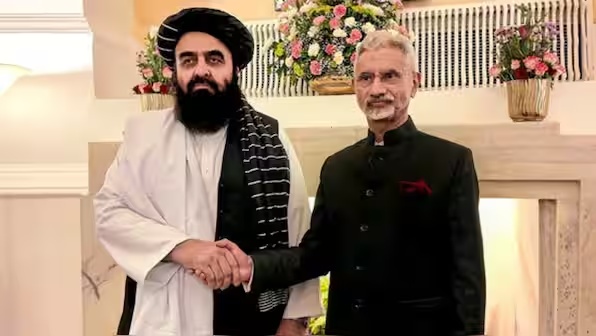
India understands that leaving a vacuum in Taliban-administered Afghanistan threatens the decades-long investment New Delhi has made in the country. Any long-term absence would not only shrink India’s strategic space but also allow regional rivals such as China and Pakistan to deepen their influence. By accepting a new diplomat, India ensures it retains a foot in the door.
This transition follows a landmark visit by the Taliban’s interim foreign minister, Amir Khan Muttaqi, to India in October 2025. In quick succession, his visit was followed by those of Haji Nuruddin Azizi, the Taliban’s Minister of Industry and Trade, as well as Maulvi Noor Jalal, the Acting Health Minister. During the engagements with Muttaqi, New Delhi announced its decision to upgrade its technical mission in Kabul to a full embassy, paving the way for reciprocal representation.
While these actions will not result in India formally recognising the Taliban administration, they offer New Delhi an opportunity to manage a volatile neighbour through dialogue rather than distance.