Law Enforcement & Policing Fellowship (LEPF) Academic Conference 2025
| DATE | November 21, 2025 |
The Takshashila Institution and the Indian Police Foundation hosted the first Law Enforcement & Policing Fellowship (LEPF) Academic Conference from November 21 to 23, 2025, at The Chancery Pavilion, Bengaluru. The three-day conference brought together LEPF Fellows, distinguished practitioners, academics, and experts for an intensive exchange of research and ideas on strengthening India’s law enforcement ecosystem.
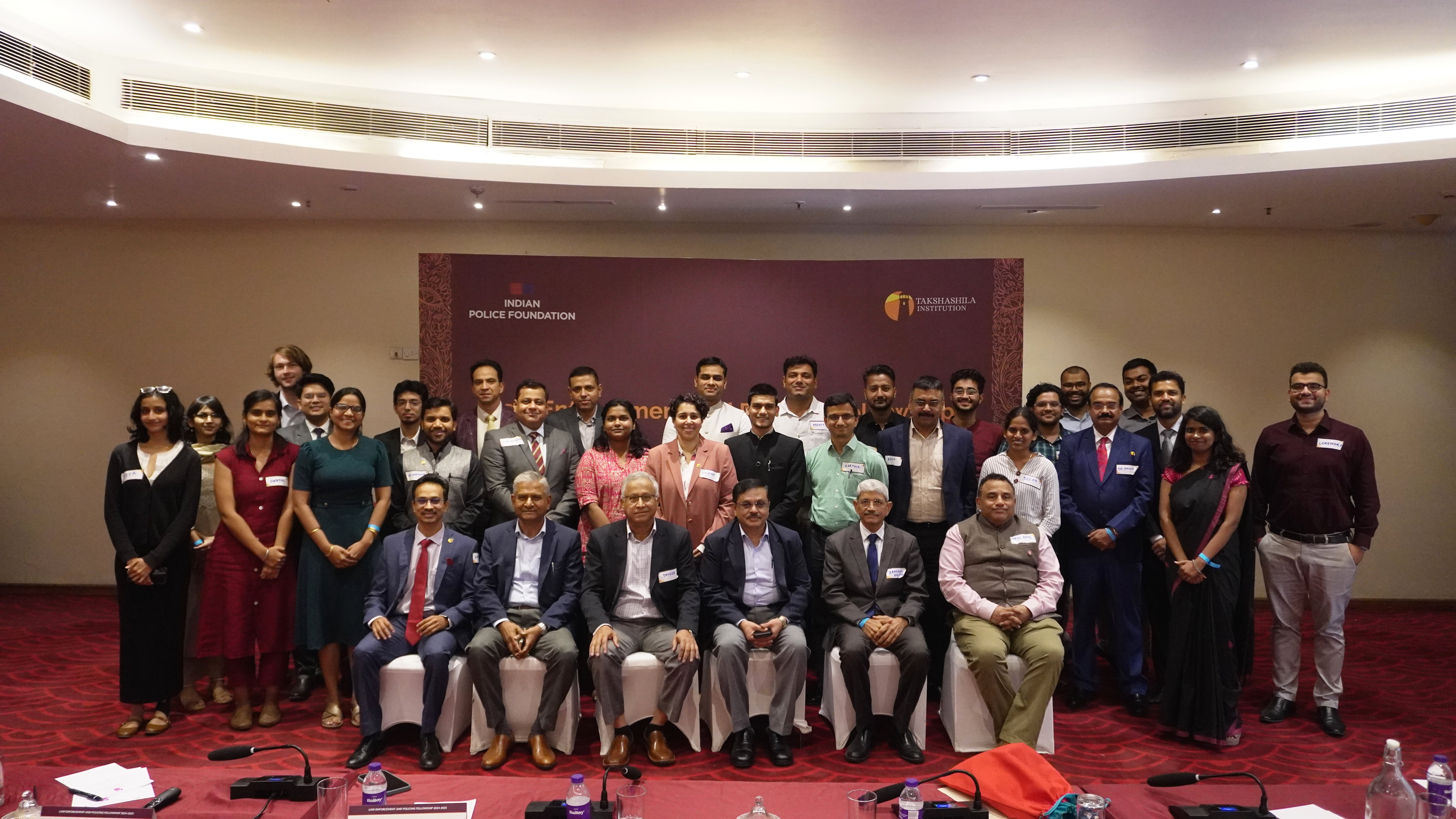
Day 0 opened with a welcome dinner and an informal quiz, setting the stage for the fellows to connect and reflect on their year-long research journey.
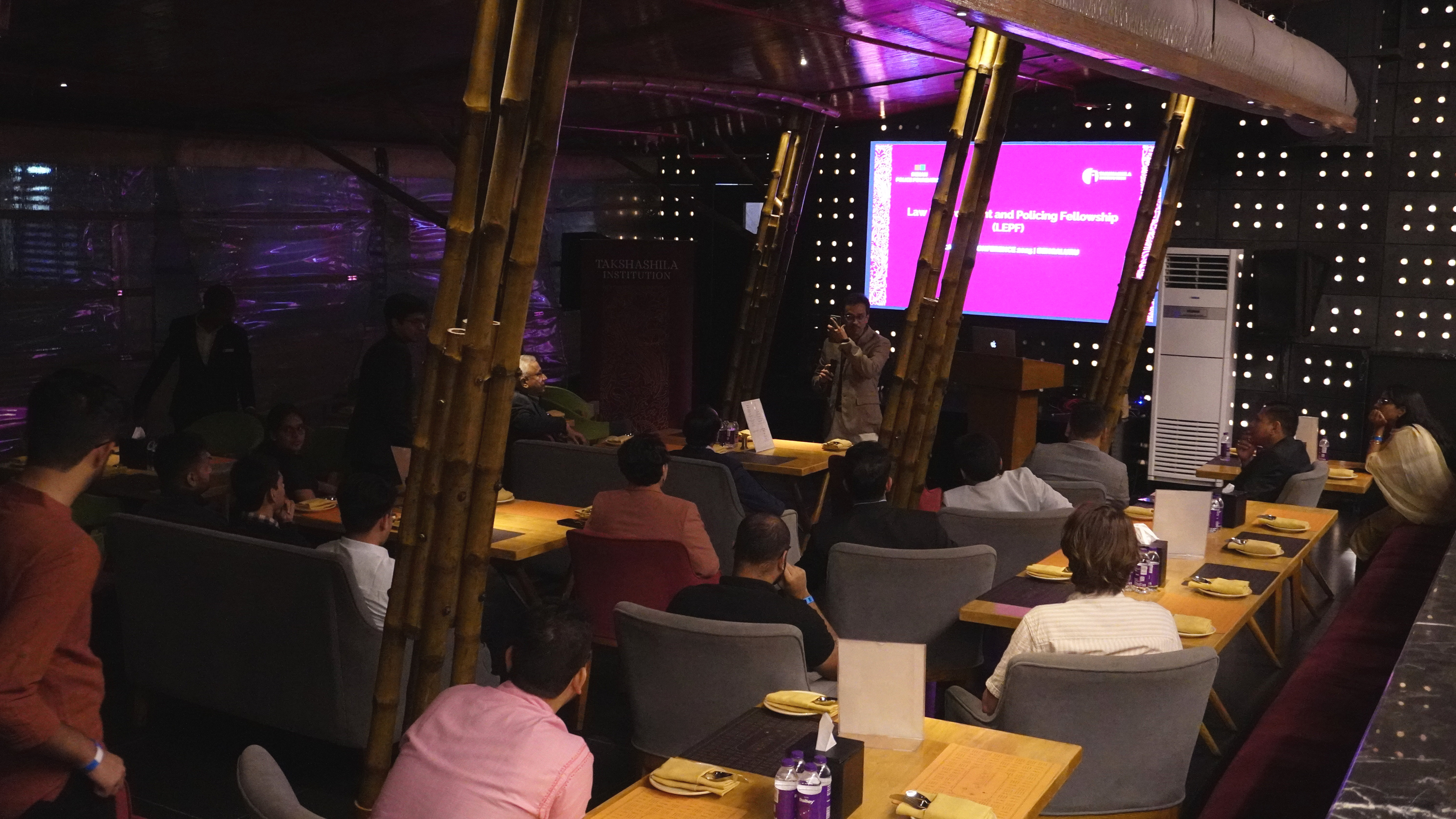
Day 1 featured three thematic panels: Artificial Intelligence in Policing, Forensics, Evidence & Investigations, and Challenges in the Information Age. Fellows presented working papers on cutting-edge policing challenges, including the operational impact of AI, nationwide deployment of IVRS systems, the use of modern technology in narcotics enforcement, forensic capacity-building, virtopsy, police accountability, drone policy reforms, and data analysis in financial fraud investigations.
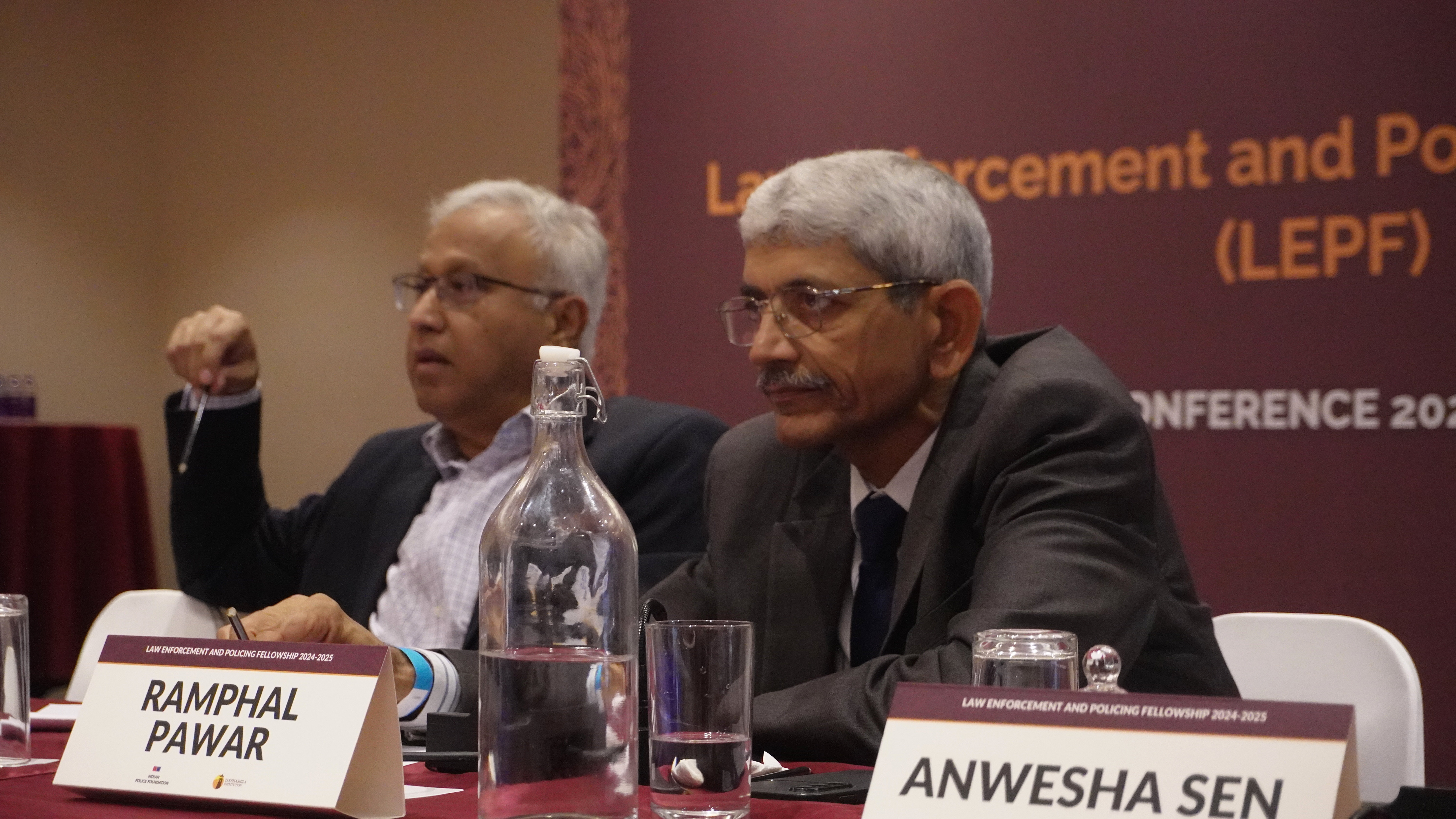
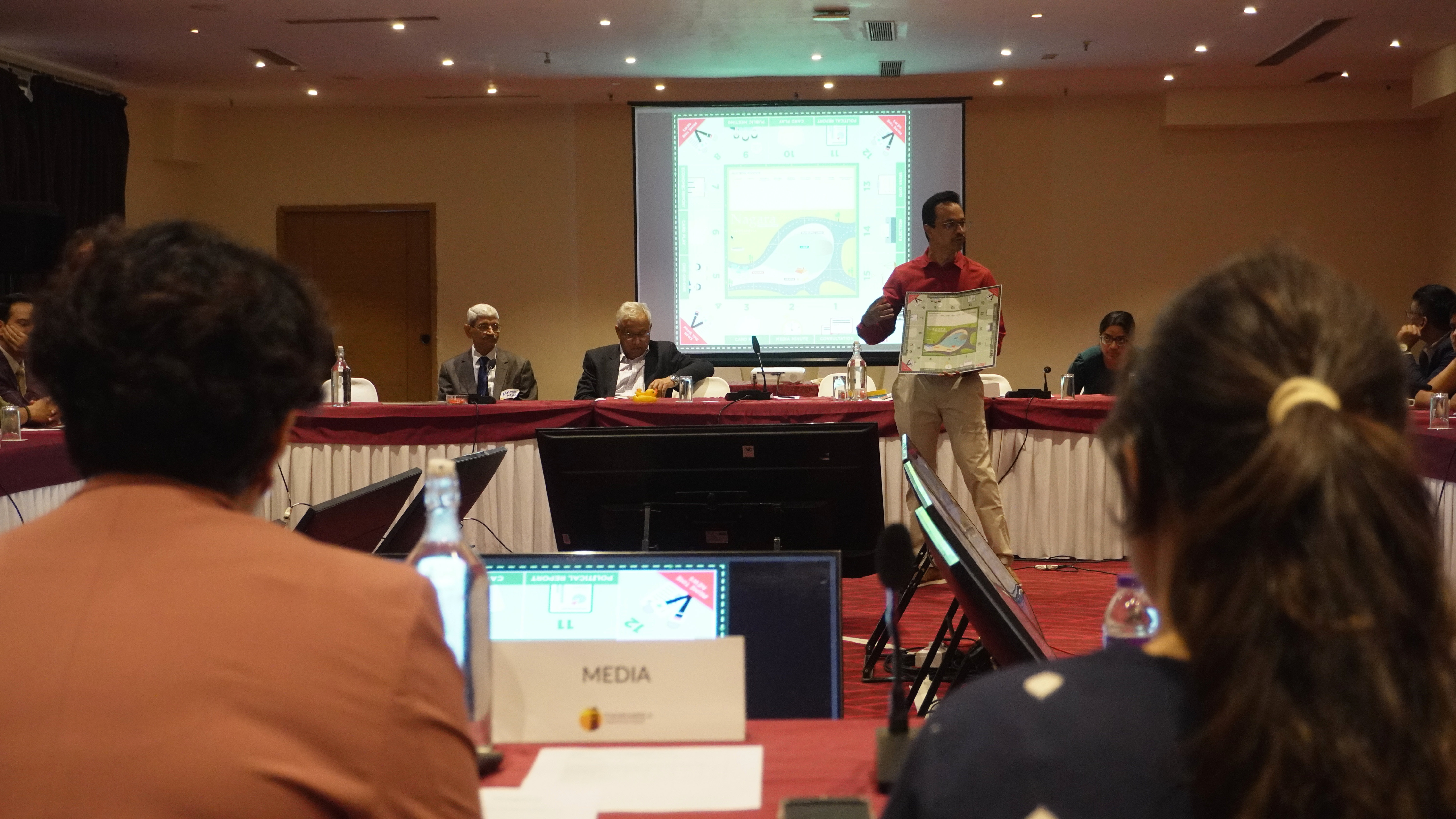
The day also included an expert talk by Ramphal Pawar, former Director of the National Crime Records Bureau (NCRB), who spoke about the transformative role of technology in strengthening crime records management in India. The Panel discussions followed by a keynote address by Dr. M. A. Saleem, Director General and Inspector General of Police (DG & IGP), Karnataka, who discussed the emerging challenges of the information age, from cyber-enabled crimes to data-intensive investigations, and underscored the urgency of reinventing policing institutions, capabilities, and mindsets to meet these rapidly evolving threats. The day concluded with an informal session where participants engaged in Nagara: Democracy Simulation Game.
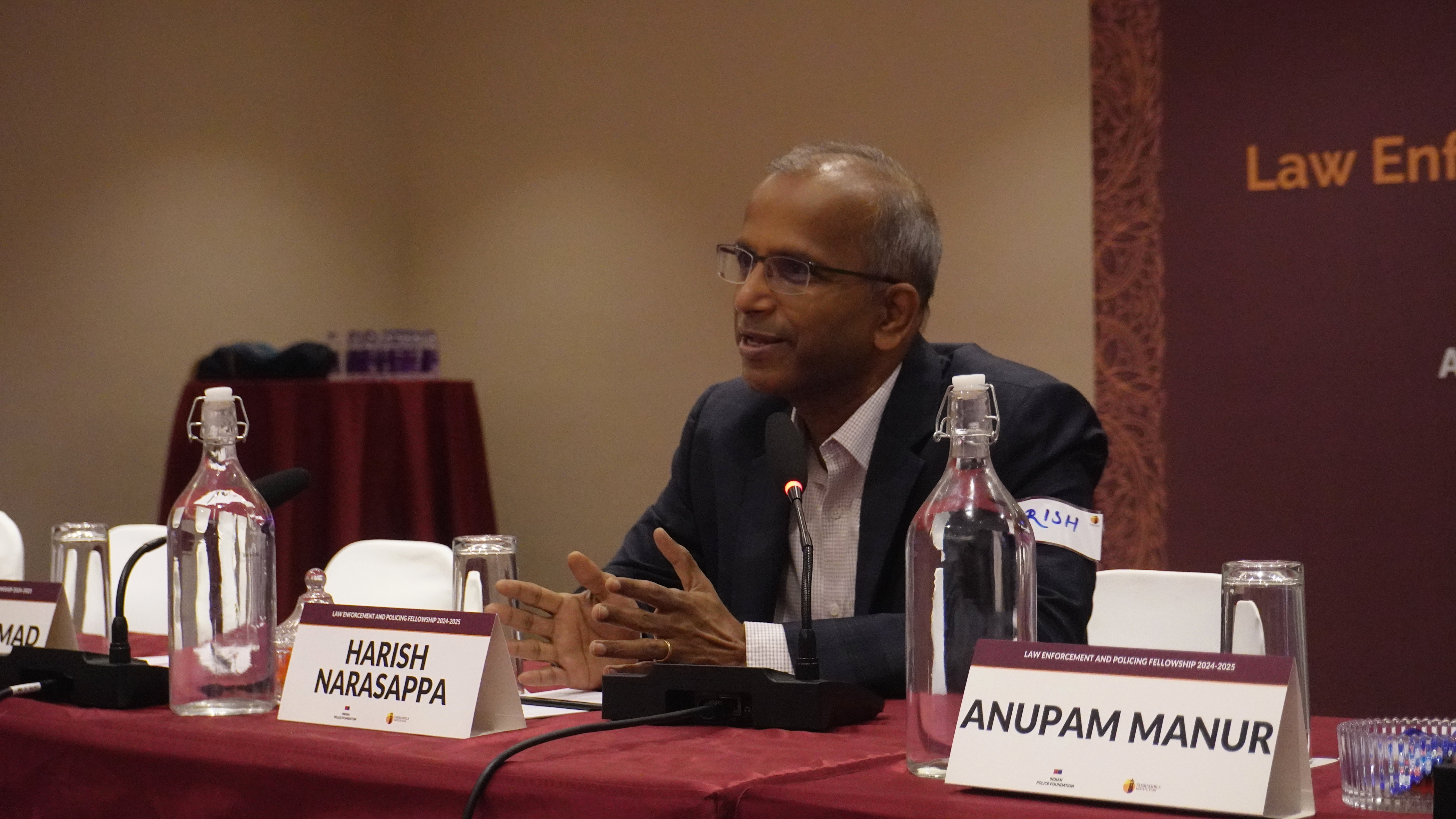
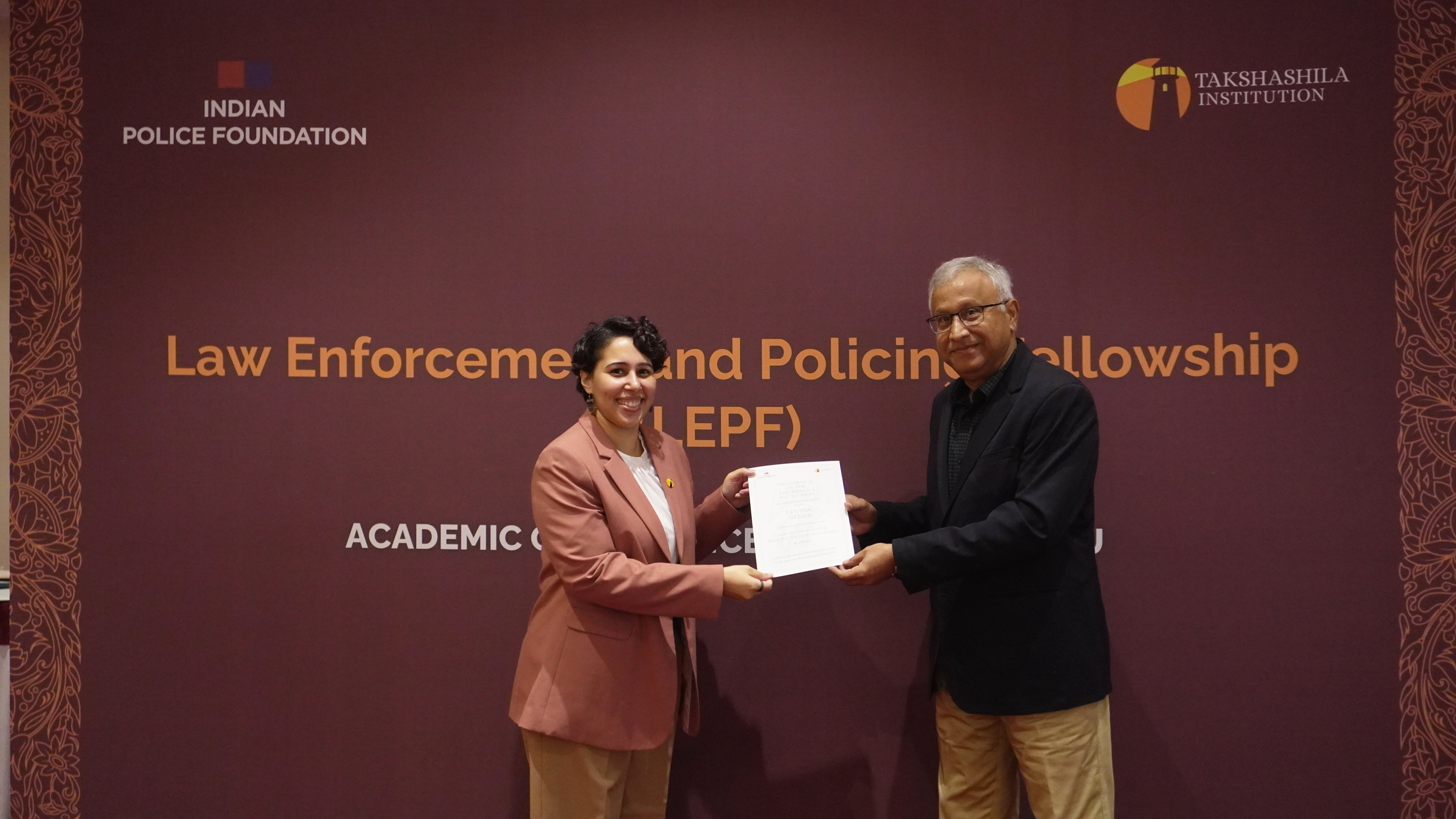
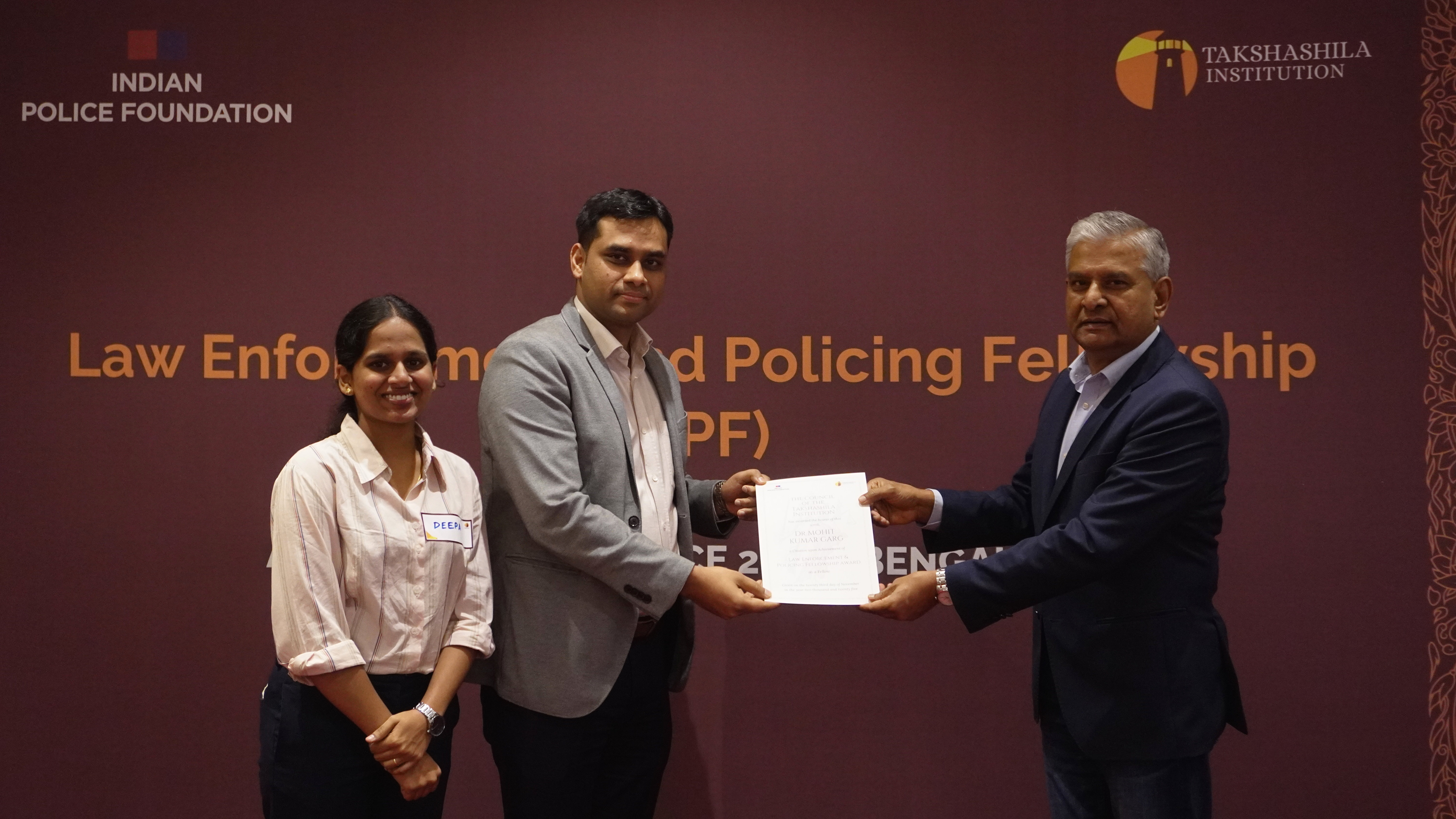
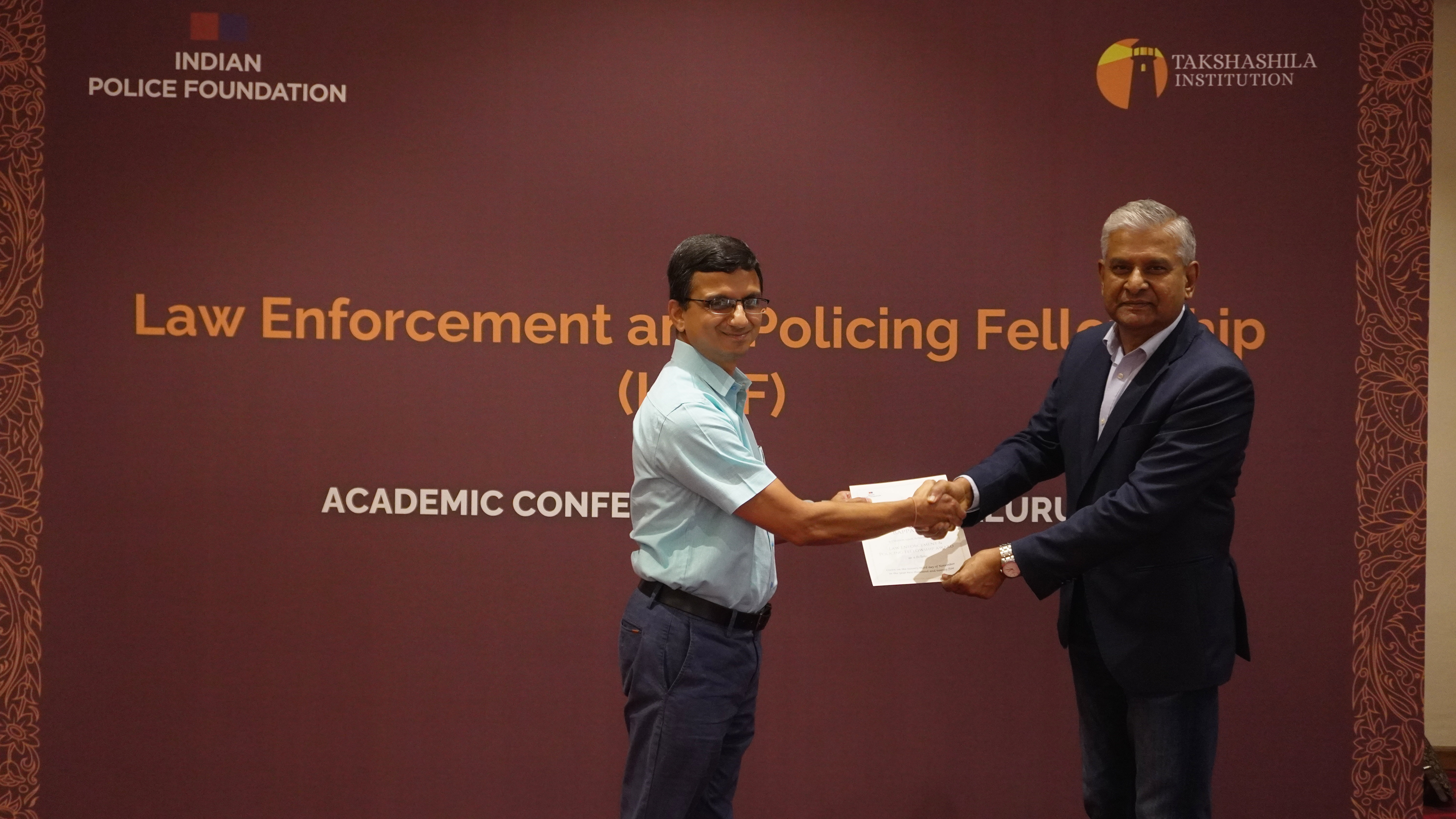
Day 2 opened with a keynote address by Harish Narasappa, followed by two thematic panels: Data & Privacy in Law Enforcement and Policy Pathways for Future-Ready Policing. Presentations covered doxing and online harms against women, unified investigative platforms, metadata access challenges, reimagining policing for Society 5.0, conviction rate improvements, and the role of multi-disciplinary approaches in preventing animal cruelty. Each session was followed by rich and rigorous discussions, highlighting the practical implications of research for policing reforms. This was followed by an awards ceremony recognising the Best Research Papers, Best Research Associate Award, and outlining the next steps for the fellowship community.